Say No to Drugs and discover 15 powerful reasons why prevention is better than cure. Learn health risks, social impact, and practical prevention strategies.
Introduction to Drug Prevention
In today’s fast-moving world, the message Say No to Drugs has never been more urgent. Drug abuse is not just a personal issue; it’s a social crisis affecting families, schools, and entire communities. While treatment options exist, prevention remains the strongest and most effective strategy. After all, stopping a problem before it begins saves lives, money, and heartbreak.
Prevention means education, awareness, and early action. It empowers individuals—especially young people—to make informed choices. Rather than waiting for addiction to take hold, we must act early. That’s why experts around the world emphasize prevention programs in schools and communities.
According to the World Health Organization, substance abuse contributes to millions of deaths globally each year. These numbers remind us that prevention isn’t optional—it’s essential.
Understanding Drug Abuse and Addiction
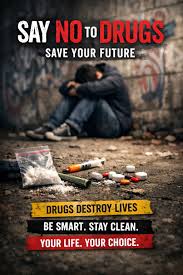
Drug abuse occurs when a person uses substances in a harmful or uncontrolled way. Addiction, however, is more complex. It’s a chronic brain disorder that changes how the brain works.
How Drugs Affect the Brain
Drugs interfere with the brain’s communication system. They release large amounts of dopamine, a chemical responsible for pleasure. Over time, the brain becomes dependent on the substance. The user feels they “need” it just to function normally.
Gradually, the brain loses its natural balance. That’s when addiction sets in.
Commonly Abused Substances
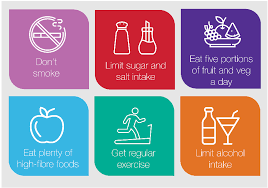
Here are some commonly abused drugs:
- Alcohol
- Heroin
- Cocaine
- Methamphetamine (Ice)
- Cannabis
- Prescription painkillers
Each of these substances damages physical and mental health. Some cause immediate harm, while others destroy slowly over time.
Why Prevention Is Better Than a Cure
The phrase Say No to Drugs reflects a preventive mindset. Prevention is better than cure because addiction treatment is often long, expensive, and emotionally draining.
Financial Burden of Addiction
Rehabilitation programs, hospital visits, medications, and counseling sessions cost thousands of dollars. Many families struggle financially when a loved one becomes addicted.
In contrast, prevention programs are far less costly. Education campaigns and school awareness sessions require minimal investment compared to treatment.
Emotional and Social Damage
Addiction tears families apart. Trust breaks down. Relationships suffer. Children may feel neglected or traumatized.
Prevention protects families from these painful experiences. It keeps relationships strong and stable.
15 Powerful Reasons to Say No to Drugs
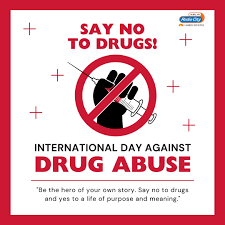
Here are 15 compelling reasons why choosing prevention over cure is the smarter choice:
- Protects brain health
- Prevents long-term physical damage
- Saves money
- Preserves family relationships
- Improves academic performance
- Enhances career opportunities
- Reduces crime rates
- Prevents mental illness
- Builds self-confidence
- Encourages healthy lifestyle habits
- Reduces healthcare costs
- Protects future generations
- Strengthens communities
- Increases life expectancy
- Promotes overall happiness
When young people clearly understand these reasons, they’re more likely to Say No to Drugs confidently.
The Role of Family in Drug Prevention
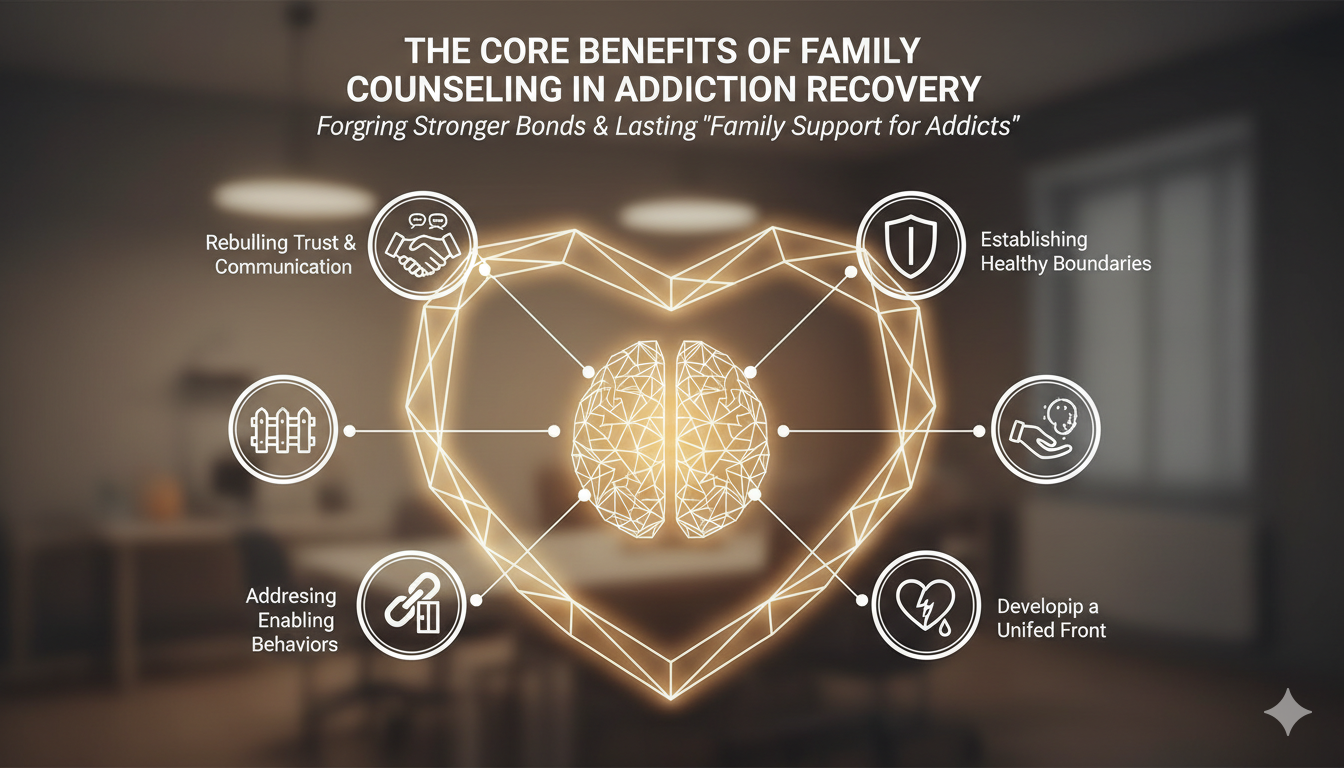
Families are the first line of defense. Open communication is key. When parents discuss drugs honestly and calmly, children feel informed rather than frightened.
Effective family prevention strategies include:
- Setting clear rules
- Monitoring social circles
- Encouraging healthy hobbies
- Leading by example
When children grow up in supportive homes, they’re less likely to experiment with drugs.
Schools and Community Responsibility
Schools play a vital role in prevention efforts. Educational programs teach students about risks and consequences. Community centers can offer sports, arts, and mentorship programs to keep youth engaged.
Collaboration between parents, teachers, and healthcare professionals creates a protective network around young people.
Warning Signs of Drug Use
Recognizing early warning signs can prevent long-term addiction.
Common signs include:
- Sudden mood changes
- Poor academic performance
- Secretive behavior
- Physical symptoms (red eyes, weight loss)
- Financial problems
Early intervention can stop experimentation from turning into dependency.
Effective Prevention Strategies
Building Resilience
Resilience helps individuals handle stress without turning to drugs. Skills such as problem-solving, emotional regulation, and goal setting are essential.
Healthy Alternatives
Encouraging participation in sports, music, volunteering, or entrepreneurship provides positive outlets for energy and ambition.
Community leaders and healthcare professionals consistently emphasize that prevention works best when it’s continuous—not a one-time lecture.
Long-Term Benefits of Staying Drug-Free
Choosing to Say No to Drugs leads to:
- Better physical health
- Stable mental health
- Stronger relationships
- Financial stability
- Greater career success
A drug-free life isn’t restrictive—it’s liberating. It opens doors instead of closing them.
Frequently Asked Questions (FAQs)
1. Why is prevention better than cure in drug addiction?
Prevention avoids the physical, emotional, and financial damage caused by addiction. Treatment can be lengthy and challenging, while prevention saves resources and lives.
2. At what age should drug education begin?
Education should begin in early school years with age-appropriate information.
3. Can addiction be completely cured?
Addiction can be managed successfully, but it requires long-term commitment and support.
4. What are the main causes of drug abuse?
Peer pressure, stress, trauma, and lack of awareness are common causes.
5. How can parents help prevent drug use?
Parents can communicate openly, set clear boundaries, and model healthy behavior.
6. Are prevention programs effective?
Yes. Research shows that structured prevention programs significantly reduce drug experimentation among youth.
Conclusion
The message is simple yet powerful: Say No to Drugs. Prevention is truly better than a cure. By focusing on education, family support, and community involvement, we can reduce addiction rates and protect future generations.
Drug prevention isn’t just a slogan—it’s a responsibility. Together, we can build healthier communities, stronger families, and brighter futures.