Understanding the Real Risks of IV Drug Use
As a healthcare professional who has worked with individuals affected by substance use disorders for many years, I can say with certainty that the risks of IV drug use extend far beyond addiction alone. While the immediate dangers, overdose and dependency, are widely recognized, the long-term infectious and systemic complications are often underestimated.
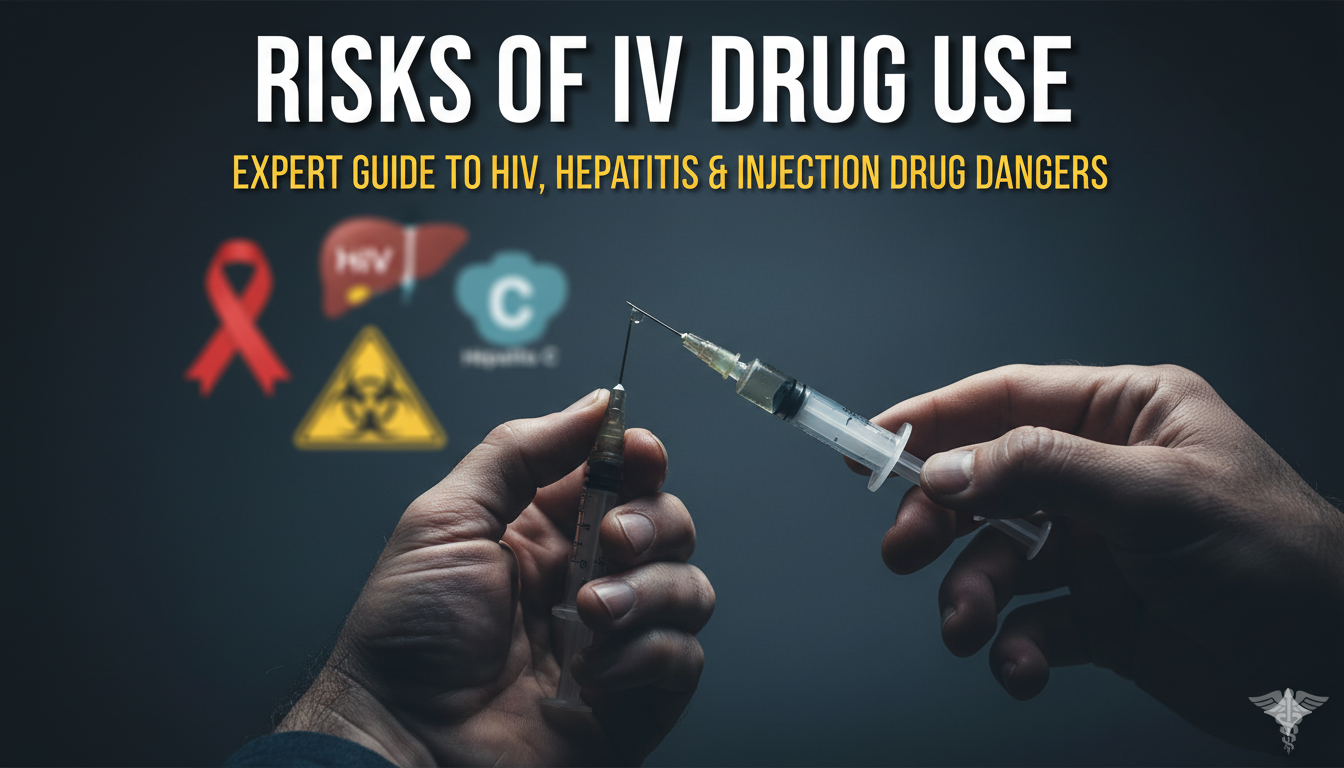
Injecting drugs places individuals at extraordinarily high risk for life-altering infections, particularly Human Immunodeficiency Virus (HIV) and viral hepatitis (Hepatitis B and Hepatitis C). These infections are not abstract public health statistics. They are real, preventable medical conditions that continue to affect millions worldwide.
This comprehensive guide explores:
- Why IV drug use is medically dangerous
- How HIV and hepatitis are transmitted
- The biological mechanisms behind infection
- Long-term complications
- Evidence-based prevention strategies
- Treatment and harm-reduction approaches
If you are researching the risks of IV drug use for professional, academic, or personal reasons, this guide provides in-depth, medically grounded information.
What Is Intravenous (IV) Drug Use?
Intravenous drug use refers to injecting a substance directly into a vein using a needle and syringe. This method delivers drugs rapidly into the bloodstream, producing an almost immediate effect.
From a pharmacological standpoint, IV administration has:
- 100% bioavailability
- Rapid onset of action
- Intensified euphoric response
Unfortunately, this same efficiency dramatically increases both addiction potential and infection risk.
Drugs commonly injected include heroin, fentanyl, cocaine, methamphetamine, and misused prescription opioids. In some cases, crushed pills are dissolved and injected, introducing additional contaminants into the bloodstream.
Every time a needle punctures the skin, it bypasses the body’s primary protective barrier. That single act opens a pathway not just for the drug, but for viruses and bacteria.
Why Injecting Drugs Is So Dangerous
1. Direct Bloodstream Exposure
The bloodstream is normally sterile. Introducing any non-sterile object or contaminated substance can cause infection.
Unlike smoking or swallowing drugs, injection:
- Avoids digestive breakdown
- Bypasses liver detoxification
- Circumvents immune defenses at mucosal surfaces
This direct access makes transmission of blood-borne infections far more efficient.
2. Needle Sharing and Equipment Reuse
The most well-known contributor to HIV and hepatitis transmission is needle sharing. However, many people do not realize that infection can also occur from sharing:
- Syringes
- Cotton filters
- Drug cookers
- Water containers
- Tourniquets
Even microscopic traces of infected blood can transmit disease.
According to the Centers for Disease Control and Prevention, sharing needles is one of the highest-risk behaviors for HIV transmission in the United States.
HIV and the Risks of IV Drug Use
What Is HIV?
HIV (Human Immunodeficiency Virus) attacks CD4 T-cells, weakening the immune system over time. If untreated, it can progress to AIDS (Acquired Immunodeficiency Syndrome).
The virus spreads through:
- Blood
- Semen
- Vaginal fluids
- Rectal fluids
- Breast milk
For people who inject drugs, contaminated blood exposure is the primary concern.
How IV Drug Use Spreads HIV
When a needle used by someone with HIV is shared:
- Blood remains inside the syringe barrel and needle.
- That blood contains viral particles.
- The next injection introduces the virus directly into another person’s bloodstream.
Because this method bypasses protective barriers, the risk per exposure is significantly higher than in many other transmission routes.
The World Health Organization estimates that people who inject drugs are many times more likely to acquire HIV compared to the general population.
Early vs. Late HIV Symptoms
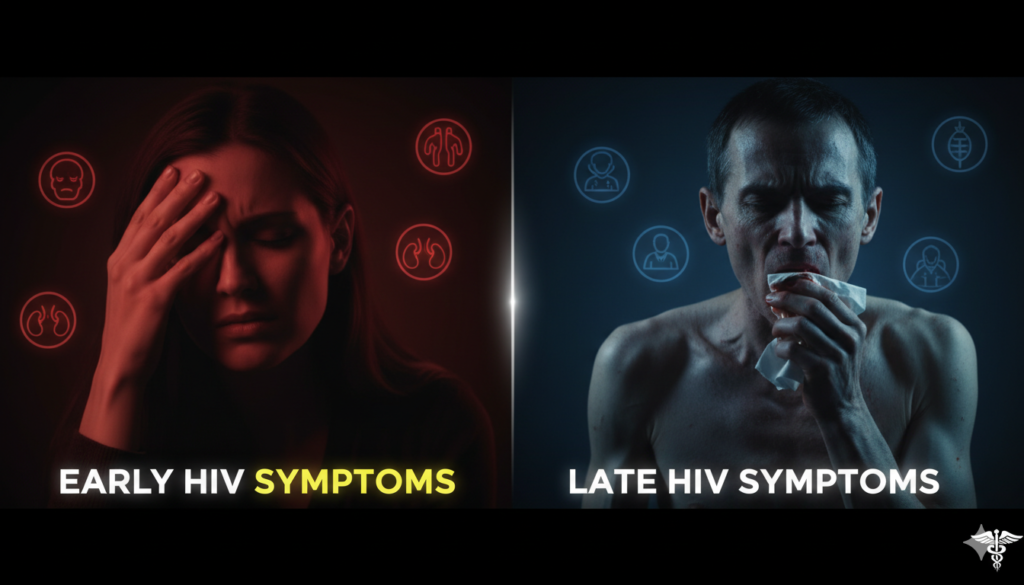
Early HIV may resemble the flu:
- Fever
- Fatigue
- Sore throat
- Swollen lymph nodes
Many individuals dismiss these symptoms. Without treatment, the virus quietly damages the immune system for years.
Late-stage HIV can result in:
- Opportunistic infections
- Severe weight loss
- Neurological complications
- Certain cancers
However, modern treatment has transformed HIV from a fatal disease into a manageable chronic condition, if diagnosed early.
Hepatitis B and C: Even Greater Transmission Risk
While HIV receives significant public attention, Hepatitis B (HBV) and Hepatitis C (HCV) are actually more easily transmitted through needle sharing.
Hepatitis B (HBV)
HBV infects the liver and can cause both acute and chronic disease.
Important facts:
- HBV can survive outside the body for up to 7 days.
- It is preventable through vaccination.
- Chronic infection can lead to cirrhosis and liver cancer.
The Centers for Disease Control and Prevention strongly recommends hepatitis B vaccination for people at risk, including those who inject drugs.
Hepatitis C (HCV)
Hepatitis C is particularly common among people who inject drugs.
According to the World Health Organization, HCV is the most common chronic blood-borne infection globally, and injection drug use is a primary driver of transmission.
Unlike HBV, there is no vaccine for Hepatitis C.
Chronic HCV can cause:
- Liver fibrosis
- Cirrhosis
- Liver failure
- Hepatocellular carcinoma
Many people remain asymptomatic for decades, which contributes to the ongoing spread.
Why Hepatitis Spreads So Efficiently in IV Drug Use
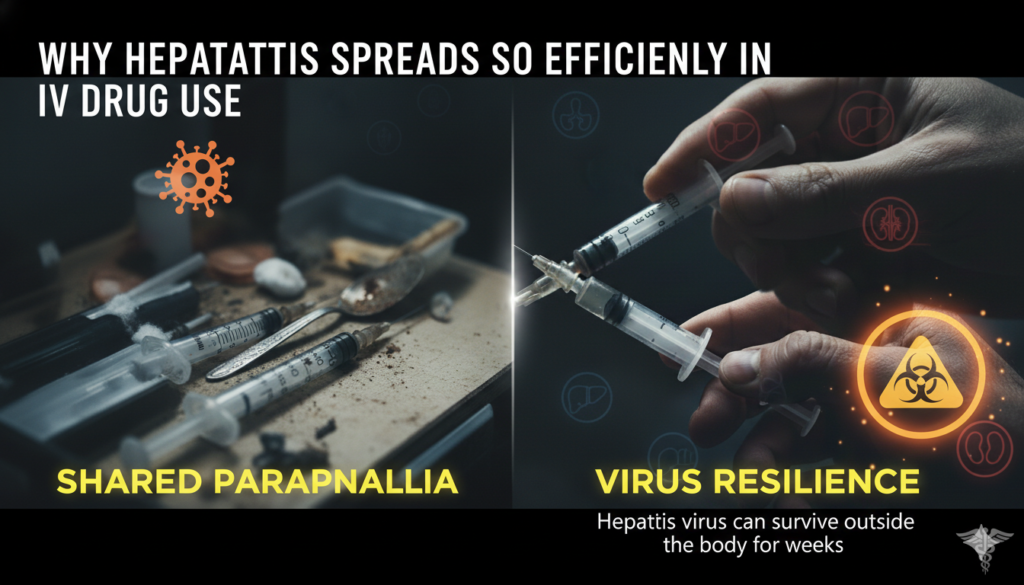
Hepatitis viruses require only tiny amounts of infected blood for transmission.
Factors that increase risk include:
- Reusing syringes
- Sharing drug preparation equipment
- Injecting in groups
- Limited access to sterile supplies
Even rinsing a syringe with water does not reliably eliminate viral contamination.
Bacterial Infections and Soft Tissue Damage
Beyond viral infections, bacterial complications are extremely common among people who inject drugs.
Repeated injection can cause:
- Collapsed veins
- Skin abscesses
- Cellulitis
- Tissue necrosis
If bacteria enter the bloodstream, sepsis can develop, a life-threatening emergency.
Endocarditis: A Growing Concern
One of the most serious complications of IV drug use is infective endocarditis, an infection of the heart valves.
Bacteria introduced during injection travel through the bloodstream and attach to heart tissue.
Endocarditis can cause:
- Heart failure
- Stroke
- Septic emboli
- Death
Hospitalizations for injection-related endocarditis have increased significantly over the past decade.
The Compounding Risk of Overdose
Although this article focuses on infection, it is important to acknowledge that the risks of IV drug use also include overdose.
Injection delivers drugs rapidly and unpredictably. When substances like fentanyl contaminate the drug supply, overdose risk increases dramatically.
Surviving an overdose does not eliminate infection risk, many individuals continue injecting afterward.
Psychological and Social Dimensions
Substance use disorders are complex medical conditions involving brain chemistry, trauma, and social determinants of health.
Many individuals who inject drugs face:
- Homelessness
- Poverty
- Limited healthcare access
- Stigma and discrimination
Stigma itself becomes a health risk when it discourages people from seeking testing or treatment.
Harm Reduction: Evidence-Based Prevention
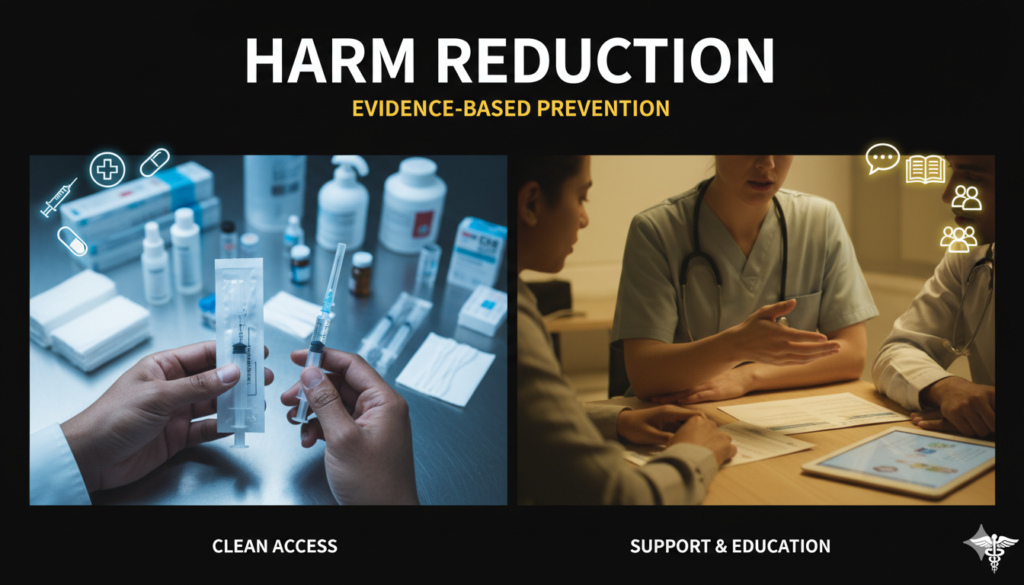
Harm reduction acknowledges that while eliminating drug use is ideal, reducing risk saves lives.
Needle and Syringe Programs (NSPs)
These programs provide sterile equipment and safe disposal services.
Research consistently shows that NSPs reduce HIV and hepatitis transmission without increasing drug use.
The World Health Organization supports needle exchange as a key public health intervention.
Opioid Agonist Therapy
Medications such as methadone and buprenorphine reduce injection frequency and cravings.
Patients engaged in medication-assisted treatment are less likely to share needles.
Supervised Consumption Sites
These facilities allow people to inject pre-obtained drugs under medical supervision.
Benefits include:
- Reduced overdose deaths
- Immediate medical intervention
- Sterile equipment access
- Pathways to addiction treatment
Testing and Early Detection
Routine testing is critical for anyone who injects drugs.
Recommended screenings include:
- HIV antibody/antigen testing
- Hepatitis B surface antigen
- Hepatitis C antibody with confirmatory RNA testing
Early detection allows timely treatment and reduces onward transmission.
Treatment Advances
HIV Treatment
Antiretroviral therapy (ART) can suppress HIV to undetectable levels.
When viral load is undetectable, sexual transmission risk is effectively zero—a concept known as U=U (Undetectable = Untransmittable).
Hepatitis C Cure
Direct-acting antivirals (DAAs) cure over 95% of Hepatitis C infections in as little as 8–12 weeks.
This represents one of the most remarkable advances in modern medicine.
The Economic Cost of IV Drug Use
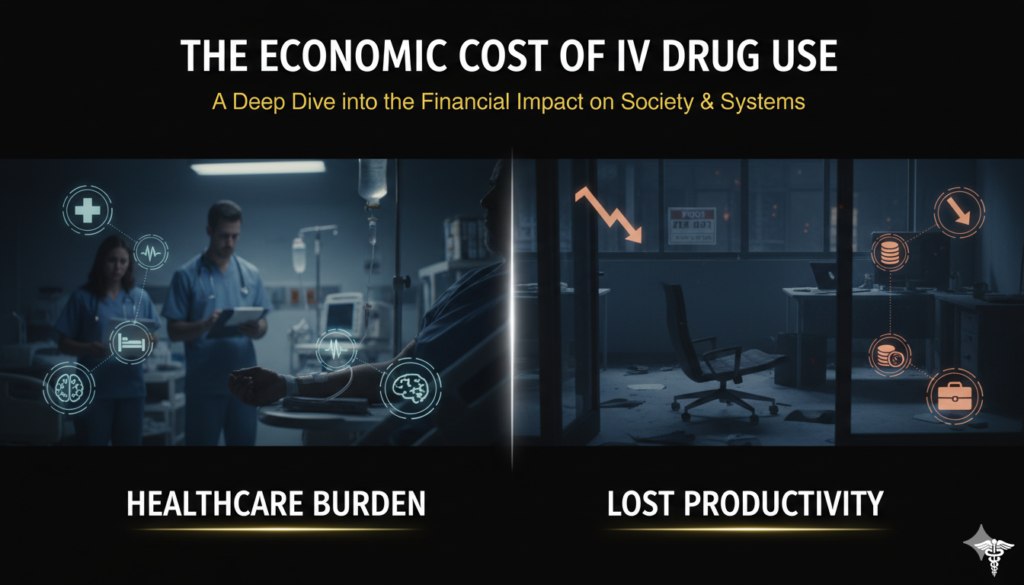
The financial burden of untreated infections includes:
- Hospitalizations
- Liver transplant costs
- Long-term medication expenses
- Emergency services
Prevention is not only medically ethical, but it is also economically sound public health policy.
Breaking the Cycle
Addressing the risks of IV drug use requires:
- Accessible addiction treatment
- Mental health support
- Nonjudgmental healthcare environments
- Public education
- Evidence-based policy
Punitive approaches alone have not eliminated drug injection. Public health-centered strategies have demonstrated stronger outcomes.
Final Thoughts from a Health Professional
In clinical practice, I have witnessed both the devastation and the resilience associated with IV drug use.
The risks of IV drug use are profound:
- HIV infection
- Hepatitis B and C
- Endocarditis
- Sepsis
- Overdose
- Social marginalization
Yet I have also seen patients recover, access treatment, and regain health when provided with compassionate, evidence-based care.
Education, prevention, and early intervention remain our most powerful tools.
If you or someone you know injects drugs, testing, vaccination, sterile equipment access, and treatment are not signs of failure, they are acts of self-preservation.
References
- Centers for Disease Control and Prevention – HIV and Injection Drug Use
https://www.cdc.gov/hiv/basics/hiv-transmission/injection-drug-use.html - World Health Organization – HIV and People Who Inject Drugs
- Centers for Disease Control and Prevention – Hepatitis B Information
- World Health Organization – Hepatitis C Fact Sheet