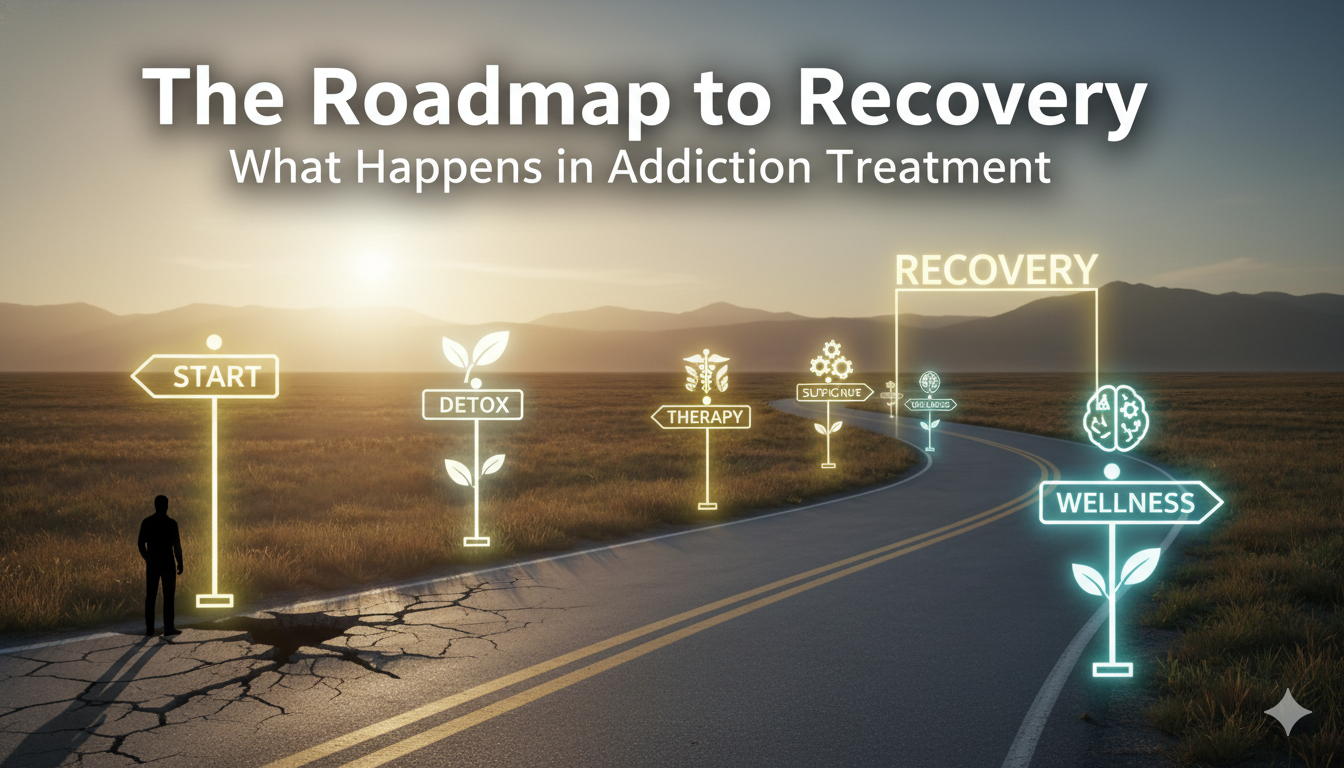
The journey of recovery from substance use disorder is often described as a battle for the soul, but it is equally a battle for the biological machine that houses it. When an individual enters the path of sobriety, they aren’t just putting down a needle, a pill, or a bottle; they are beginning the painstaking process of cellular and systemic renovation.
Years of substance abuse can leave the body in a state of metabolic bankruptcy. From depleted neurotransmitters to muscle atrophy and organ strain, the physical toll is profound. This is why modern recovery philosophy has shifted toward holistic rehab treatment—an approach that recognizes you cannot heal the mind while the body is starving for nutrients and movement.
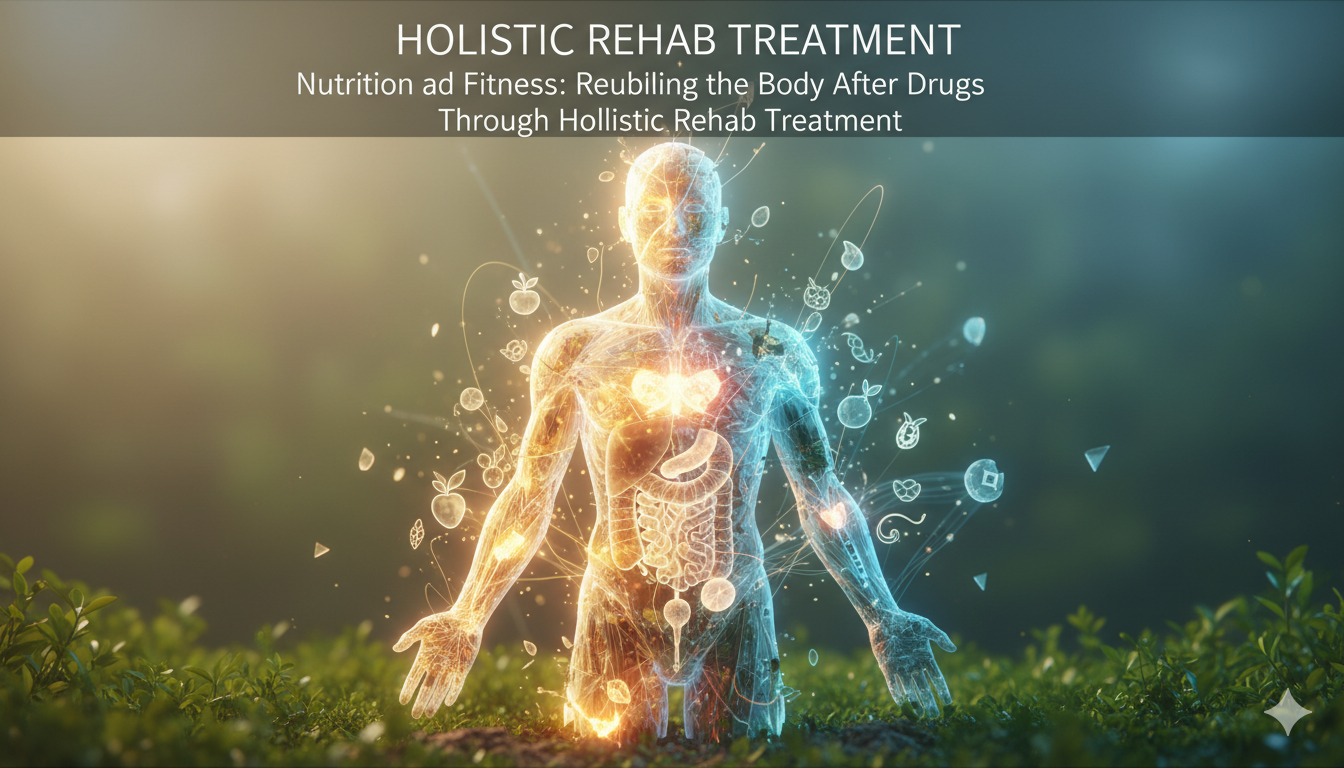
In this comprehensive guide, we will explore how the synergy of targeted nutrition and intentional fitness acts as the cornerstone of a successful recovery, and why a holistic rehab treatment model is the gold standard for long-term sobriety.
Part 1: The Physical Toll of Addiction
Before we can discuss rebuilding, we must understand the extent of the damage. Drugs and alcohol don’t just affect the brain’s reward system; they hijack the body’s entire physiological infrastructure.
1.1 The Nutritional Void
Most individuals struggling with addiction suffer from some form of malnutrition.
- Alcoholism: Often leads to “empty calorie” consumption, where the individual stops eating food and relies on alcohol for calories, leading to severe Vitamin B (thiamine) deficiencies, which can cause permanent neurological damage (Wernicke-Korsakoff Syndrome).
- Stimulants (Cocaine/Meth): These suppress appetite to dangerous levels, causing the body to catabolize its own muscle tissue for energy.
- Opioids: Often slow the digestive system to a crawl, leading to chronic constipation and poor nutrient absorption.
1.2 The Neurochemical Imbalance
Addiction burns out dopamine receptors. This “downregulation” means that in early recovery, nothing feels good. The brain has forgotten how to produce its own “feel-good” chemicals because it was reliant on external substances. Without physical intervention, this state (anhedonia) is the leading cause of early relapse.
Part 2: What is Holistic Rehab Treatment?

The term “holistic” is often misunderstood as purely “alternative” or “new age.” In the context of clinical recovery, holistic rehab treatment means “treating the whole person.”
It is an integrated medical and therapeutic model that combines traditional clinical interventions (like CBT and medically supervised detox) with:
- Nutritional Therapy: Using food as medicine to repair organs and stabilize mood.
- Physical Fitness: Using movement to stimulate neurogenesis and hormonal balance.
- Mindfulness and Stress Management: Techniques like yoga and meditation to rewire the nervous system.
By addressing the physical body simultaneously with the psychological trauma, holistic rehab treatment creates a sturdier foundation for the “new self” to inhabit.
Part 3: Nutrition as Medicine in Recovery
In a holistic rehab treatment setting, the kitchen is just as important as the therapy room. The goal of nutritional recovery is twofold: repairing damage and stabilizing the “Gut-Brain Axis.”
3.1 The Gut-Brain Axis
Did you know that approximately 95% of the body’s serotonin—the hormone responsible for mood stabilisation, is produced in the gastrointestinal tract? If the gut is inflamed and the microbiome is destroyed by drugs or poor diet, the brain cannot achieve emotional stability.
3.2 Key Nutrients for Rebuilding
- Amino Acids (Protein): Proteins are the building blocks of neurotransmitters. L-Tyrosine helps rebuild dopamine, while L-Tryptophan is the precursor to serotonin.
- Omega-3 Fatty Acids: Found in fish oil and flaxseeds, these are essential for brain health and reducing the neuro-inflammation caused by drug use.
- Complex Carbohydrates: Whole grains and legumes provide a steady supply of glucose to the brain, preventing the “sugar crashes” that often trigger drug cravings.
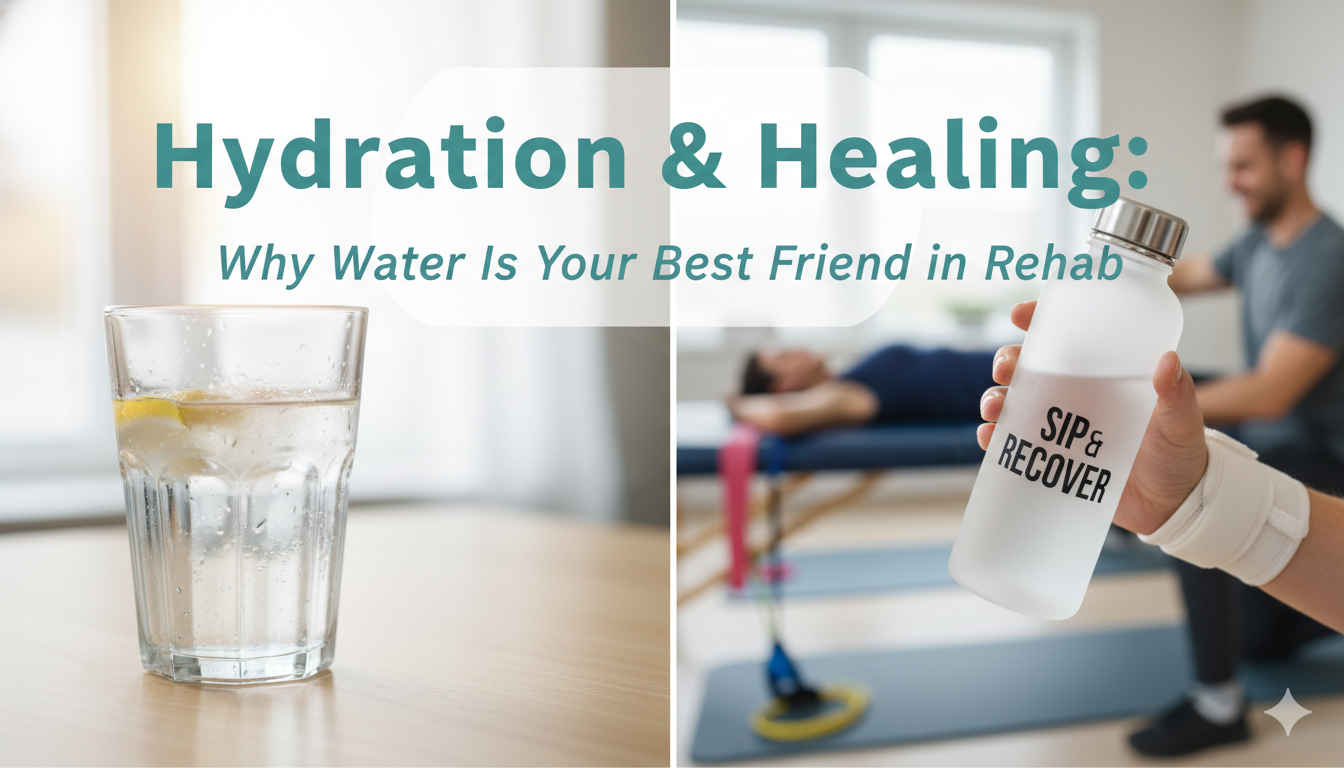
- Hydration and Electrolytes: Chronic drug use dehydrates the cellular structure. Proper hydration is essential for flushing out residual toxins and ensuring cellular communication.
3.3 The “Anti-Relapse” Diet
Fluctuating blood sugar is a major trigger for irritability and cravings. A holistic approach teaches patients to eat small, nutrient-dense meals every 3-4 hours. This stabilizes insulin levels, keeping the “biological fuse” long so that minor stressors don’t lead to a blowout.
Part 4: Fitness: The Natural Dopamine Rebound

For someone in recovery, exercise is not about aesthetics; it is about survival. When you engage in vigorous physical activity, your body undergoes a process that mimics the high of drugs—but in a controlled, healthy, and regenerative way.
4.1 Neuroplasticity and Exercise
The brain has an amazing ability to heal itself, a phenomenon known as neuroplasticity. Studies have shown that aerobic exercise increases levels of Brain-Derived Neurotrophic Factor (BDNF). Think of BDNF as “Miracle-Gro” for the brain. It helps repair damaged neurons and promotes the growth of new ones in the hippocampus—the area of the brain responsible for memory and emotional regulation.
4.2 The Role of Endorphins and Enkephalins
Exercise releases endorphins, the body’s natural painkillers. For those recovering from opioid addiction, whose natural pain-management systems have been shut down, exercise helps “re-start” the production of these chemicals, making daily life more physically tolerable.
4.3 Structure and Discipline
Addiction is a life of chaos. Fitness provides a biological and chronological structure. Getting up at 7 AM for a run or a weightlifting session creates a “keystone habit.” When you master your body, you begin to believe you can master your life.
Part 5: Components of a Holistic Fitness Program
A truly holistic rehab treatment program doesn’t just throw a patient into a gym; it tailors movement to the stage of recovery.
5.1 Yoga and Mindfulness
Many people in recovery are disconnected from their bodies—they view their bodies as something that has failed them or caused them pain. Yoga helps bridge this gap. It calms the sympathetic nervous system (fight or flight) and activates the parasympathetic nervous system (rest and digest).
5.2 Strength Training
Building muscle helps restore the metabolic rate and increases bone density, which is often depleted by stimulants and alcohol. The feeling of physical strength often translates into mental resilience.
5.3 Outdoor/Adventure Therapy
Nature has a profound effect on the recovering brain. Hiking, cycling, or simply walking in a forest (forest bathing) reduces cortisol levels and provides a sense of connection to the larger world—a vital antidote to the isolation of addiction.
Part 6: Overcoming the Barriers to Physical Recovery

Rebuilding the body isn’t easy. In early recovery, patients often face “Post-Acute Withdrawal Syndrome” (PAWS), which includes fatigue, brain fog, and lack of motivation.
6.1 Start Small
In a holistic rehab treatment environment, the mantra is “low and slow.” Expecting a newcomer to run a marathon is unrealistic. Starting with 15-minute walks and basic stretching allows the nervous system to adapt without causing a stress response that could lead to a craving.
6.2 Managing the “Sugar Trap”
Many people in recovery swap drugs for sugar. While a donut provides a temporary dopamine hit, the subsequent crash is dangerous. Holistic programs educate patients on how to satisfy cravings with fruit or high-quality dark chocolate rather than processed sugars.
Part 7: The Science Behind the Success
Why does holistic rehab treatment work better than traditional methods alone?
According to research published by the Journal of Substance Abuse Treatment, patients who participate in structured exercise programs during recovery report significantly lower rates of relapse. Furthermore, the National Institute on Drug Abuse (NIDA) emphasizes that because addiction affects so many circuits in the brain, treatment must be multifaceted.
By focusing on nutrition and fitness, we are treating the vessel of the addiction. If the vessel is strong, it can hold the weight of the emotional work required in therapy. If the vessel is cracked and leaking, no amount of talk therapy will stick.
Part 8: A Sample Day in a Holistic Recovery Life
To visualize how these elements come together, let’s look at a day structured around physical and nutritional rebuilding:
- 07:00 AM: Wake up; Hydration (Lemon water) to alkalize the body.
- 07:30 AM: Morning Yoga or light stretching to center the breath.
- 08:30 AM: High-protein breakfast (Eggs, avocado, whole-grain toast) to fuel the brain.
- 10:00 AM: Group Therapy or individual counseling.
- 12:30 PM: Lunch (Grilled salmon, leafy greens, quinoa) rich in Omega-3s.
- 02:00 PM: Resistance training or a brisk nature walk.
- 04:00 PM: Mindfulness meditation or journaling.
- 06:30 PM: Balanced dinner (Lean protein, root vegetables).
- 09:00 PM: Magnesium-rich snack (almonds) to promote restorative sleep.
Part 9: The Long-Term Vision: Life Beyond the Center

The goal of any holistic rehab treatment is not just to get someone through 30, 60, or 90 days. It is to provide them with a “lifestyle toolkit” they can use for the rest of their lives.
When a person leaves rehab, they will face stress. They will face triggers. If they have learned to reach for a pair of running shoes or a healthy meal instead of a substance, their chances of long-term success skyrocket. They aren’t “staying sober”; they are living a life that they are too healthy to want to escape from.
Conclusion: Reclaiming Your Temple
Rebuilding the body after drugs is an act of self-love. It is a declaration that you are worth the effort it takes to heal. Through holistic rehab treatment, the integration of nutrition and fitness provides the biological scaffolding upon which a new life is built.
Recovery is more than the absence of drugs; it is the presence of vitality. By fueling the gut, strengthening the muscles, and calming the nervous system, we don’t just survive addiction—we thrive in spite of it.
If you or a loved one are struggling, remember: the body has an incredible capacity for renewal. Give it the nutrients it craves and the movement it needs, and watch as the person you were meant to be begins to emerge from the shadows of the past.
References and Credible Sources
- National Institute on Drug Abuse (NIDA): Drugs, Brains, and Behavior: The Science of Addiction. nida.nih.gov
- Harvard Health Publishing: Nutritional psychiatry: Your brain on food. health.harvard.edu
- Journal of Substance Abuse Treatment: The role of exercise in the treatment of substance use disorders.
- World Health Organization (WHO): Guidelines on physical activity and sedentary behavior. who.int
- The Lancet Psychiatry: Physical exercise as an intervention for substance use disorders: A review and meta-analysis.
- Psychology Today: The Gut-Brain Connection in Recovery. psychologytoday.com