
In recent years, the phrase “exercise is medicine” has become increasingly popular among healthcare professionals, psychologists, and fitness experts. Scientific research continues to confirm what many people have experienced firsthand: physical activity has powerful effects on both the body and the mind. From improving cardiovascular health to reducing anxiety and depression, exercise acts as a natural therapeutic tool.
One of the key biological mechanisms behind these benefits is the release of endorphins, the body’s natural “feel-good” chemicals. These hormones play a significant role in endorphins & mental wellness, helping individuals experience improved mood, reduced stress, and greater emotional balance.
For professionals working in healthcare, rehabilitation, and mental health—including those who treat addiction and psychological disorders—exercise has become a valuable part of recovery programs. In fact, many rehabilitation centers now incorporate structured physical activity to support emotional healing and long-term sobriety.
This article explores how exercise works as natural medicine, the science behind endorphins, and how physical activity supports mental wellness, addiction recovery, and overall well-being.
Understanding Exercise as Medicine
The concept of exercise as medicine refers to the idea that regular physical activity can prevent, manage, and even treat many physical and mental health conditions. Unlike medications that may come with side effects, exercise offers a natural and holistic way to enhance health.
Doctors and public health organizations around the world increasingly recommend physical activity as part of treatment plans for conditions such as:
- Depression and anxiety
- Substance use disorders
- Obesity
- Diabetes
- Cardiovascular disease
- Sleep disorders
- Chronic stress
When people engage in physical activity, the body undergoes numerous biological changes. These include increased blood flow, improved oxygen delivery to the brain, better hormone regulation, and the release of neurotransmitters that influence mood and cognition.
Among these chemical messengers, endorphins play a central role in promoting mental wellness.
What Are Endorphins?
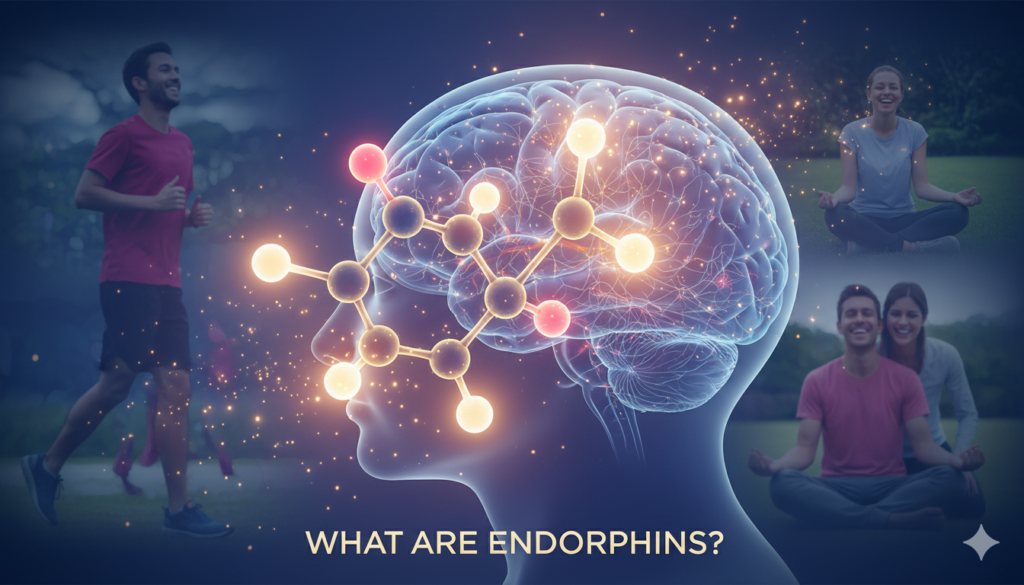
Endorphins are neurochemicals produced by the central nervous system and the pituitary gland. Their primary function is to reduce pain and trigger positive feelings in the body.
The word endorphin comes from the terms “endogenous” (originating within the body) and “morphine” (a powerful pain-relieving drug). Essentially, endorphins act as the body’s natural painkillers and mood elevators.
When released during exercise, endorphins interact with receptors in the brain that help:
- Reduce pain perception
- Decrease stress levels
- Improve mood
- Create feelings of pleasure and relaxation
This biological process is responsible for what many athletes describe as the “runner’s high.”
The Science Behind Endorphins & Mental Wellness
Scientific studies have consistently shown that physical activity significantly boosts endorphin production, which contributes to improved mental health.
When you exercise, several physiological responses occur:
- The brain increases endorphin production.
- Stress hormones such as cortisol decrease.
- Neurotransmitters like dopamine and serotonin increase.
Together, these chemical changes create a powerful impact on endorphins & mental wellness, helping individuals feel calmer, happier, and more emotionally balanced.
Research published in Psychoneuroendocrinology indicates that moderate to intense physical activity triggers a substantial increase in circulating endorphins, which contributes to improved mood and reduced anxiety.
This natural biochemical response explains why people often feel mentally refreshed and emotionally lighter after a workout.
The “Runner’s High”: A Natural Mood Booster
One of the most fascinating effects of exercise is the phenomenon known as the runner’s high. This state is characterized by:
- Euphoria
- Reduced anxiety
- Increased relaxation
- Improved mental clarity
While the runner’s high was historically attributed solely to endorphins, modern research suggests that endocannabinoids, another group of neurotransmitters, also play a role. However, endorphins remain a major contributor to the positive emotional state experienced after physical activity.
Importantly, this natural high offers a healthy alternative to substance-induced pleasure, which is why exercise is widely used in addiction recovery programs.
Exercise and Mental Health: A Powerful Connection
The relationship between physical activity and mental health is supported by decades of scientific evidence.
Regular exercise has been shown to significantly reduce symptoms of:
- Depression
- Anxiety
- Stress
- Post-traumatic stress disorder (PTSD)
The World Health Organization (WHO) recognizes physical activity as an essential strategy for promoting mental health and preventing mental illness.
Exercise helps mental health through several mechanisms:
1. Neurochemical Balance
Exercise increases the production of mood-regulating chemicals such as endorphins, dopamine, and serotonin, all of which are essential for emotional stability.
2. Stress Reduction
Physical activity reduces levels of stress hormones like cortisol and adrenaline, helping the body return to a state of calm.
3. Improved Brain Function
Exercise stimulates the growth of new brain cells and improves neural connectivity, particularly in areas associated with memory, learning, and emotional regulation.
4. Better Sleep
People who exercise regularly often experience deeper and more restorative sleep, which is critical for mental wellness.
Exercise in Addiction Recovery
For individuals recovering from substance use disorders, exercise can be an extremely valuable therapeutic tool.
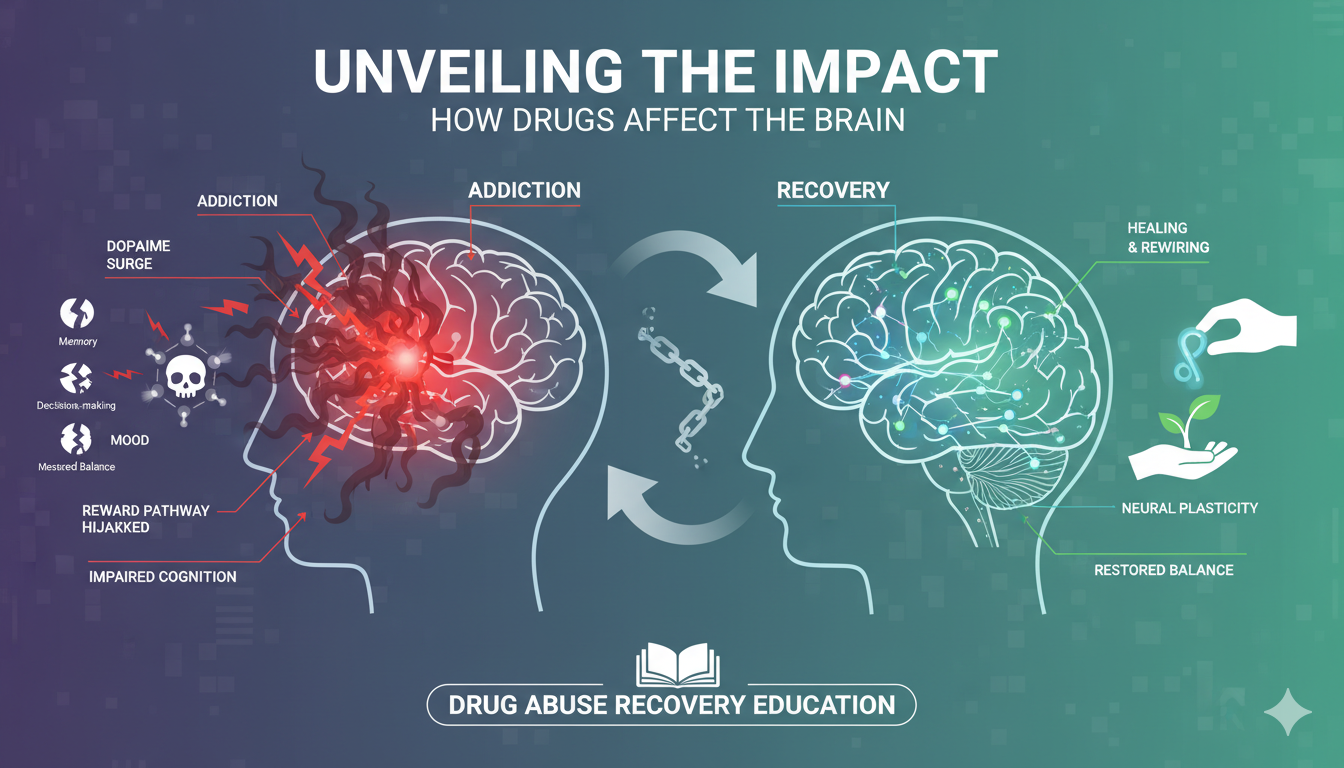
Substance abuse disrupts the brain’s reward system, particularly the dopamine pathways responsible for pleasure and motivation. Over time, the brain becomes dependent on drugs to produce feelings of happiness.
Exercise helps restore balance by naturally stimulating endorphins & mental wellness, allowing individuals to experience pleasure without substances.
Benefits of Exercise in Addiction Recovery
- Reduces cravings by stimulating natural reward pathways
- Improves mood and emotional stability
- Reduces withdrawal symptoms
- Promotes healthy routines and discipline
- Builds self-confidence and motivation
Research published in the Journal of Substance Abuse Treatment shows that individuals who participate in structured exercise programs during rehabilitation often experience better recovery outcomes and lower relapse rates.
Types of Exercise That Boost Endorphins
Not all physical activities affect the body in exactly the same way. However, many forms of exercise are effective at stimulating endorphin release.
Aerobic Exercise
Activities such as:
- Running
- Cycling
- Swimming
- Brisk walking
- Dancing
These exercises increase heart rate and oxygen consumption, making them particularly effective at boosting endorphin production.
Strength Training
Weightlifting and resistance training also contribute to endorphins & mental wellness by improving confidence, reducing stress, and enhancing overall physical health.
Yoga and Mind-Body Exercise
Practices like yoga, tai chi, and Pilates combine movement with breathing and mindfulness. These activities promote relaxation while still triggering endorphin release.
Outdoor Physical Activity
Exercising in nature, such as hiking or walking in parks, can further enhance mood due to exposure to sunlight and natural environments.
How Much Exercise Is Needed for Mental Wellness?
The World Health Organization recommends at least 150 minutes of moderate-intensity physical activity per week for adults.
This can include:
- 30 minutes of exercise five days per week
- Shorter sessions spread throughout the day
- A mix of aerobic and strength training
Even small amounts of physical activity can significantly improve endorphins & mental wellness.
Research suggests that just 10–15 minutes of moderate exercise can trigger endorphin release and improve mood.
Exercise and Brain Health
Exercise does more than boost mood, it also enhances cognitive function and brain health.
Physical activity increases levels of Brain-Derived Neurotrophic Factor (BDNF), a protein that supports the growth and survival of brain cells.
Higher BDNF levels are associated with:
- Better memory
- Improved learning ability
- Reduced risk of neurodegenerative diseases
This means that regular exercise can protect the brain while also improving mental wellness.
Exercise as a Stress Management Tool
Modern life often exposes individuals to chronic stress, which can negatively affect both physical and mental health.
Exercise helps manage stress through several pathways:
- Releases endorphins that promote relaxation
- Reduces muscle tension
- Improves sleep quality
- Provides a healthy outlet for emotional energy
Many psychologists recommend exercise as one of the most effective non-pharmaceutical treatments for stress and anxiety.
The Role of Exercise in Emotional Resilience
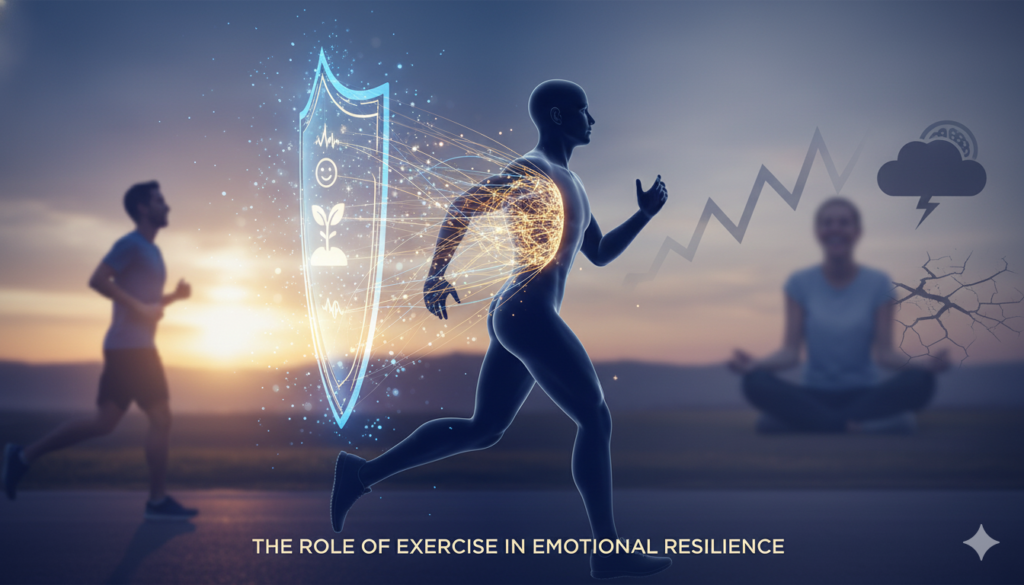
Emotional resilience refers to the ability to adapt and recover from challenges, stress, or trauma.
Regular physical activity helps build resilience by:
- Improving emotional regulation
- Increasing self-confidence
- Promoting positive thinking
- Strengthening the mind-body connection
People who exercise regularly often report higher levels of optimism and life satisfaction.
Exercise and Social Connection
Many forms of exercise involve group participation, which can further enhance mental wellness.
Examples include:
- Sports teams
- Group fitness classes
- Walking groups
- Community fitness programs
Social interaction during exercise can help reduce loneliness and increase feelings of belonging and emotional support.
Practical Tips to Make Exercise a Habit
Developing a consistent exercise routine can significantly enhance endorphins & mental wellness.
Here are some simple strategies to make physical activity part of daily life:
Start small and gradually increase intensity. Choose activities that you genuinely enjoy, whether it’s walking, swimming, or dancing. Set realistic goals and track your progress to stay motivated. Exercise with friends or family for accountability and encouragement. Finally, treat exercise as a long-term investment in mental and physical health rather than a short-term fitness goal.
Exercise in Rehabilitation and Mental Health Treatment
Many rehabilitation centers and mental health facilities now incorporate exercise therapy into treatment programs.
Structured physical activity helps patients:
- Manage cravings
- Improve emotional regulation
- Develop healthy daily routines
- Build physical strength and self-confidence
For individuals recovering from addiction or mental illness, exercise provides a safe and natural way to experience pleasure and emotional relief.
The Future of Exercise as Medicine
The medical community is increasingly recognizing exercise as a powerful therapeutic intervention.
In fact, many healthcare systems now encourage physicians to write “exercise prescriptions” for patients dealing with mental health issues, chronic diseases, and addiction recovery.
As research continues to grow, exercise is likely to become an even more central component of preventive medicine and mental health treatment.
Conclusion
Exercise is far more than a tool for physical fitness, it is a natural medicine for the mind and body. Through the release of endorphins and other mood-enhancing neurotransmitters, physical activity plays a crucial role in promoting endorphins & mental wellness.
Regular exercise can reduce stress, improve mood, enhance brain function, and support recovery from addiction and mental health disorders. Whether it involves walking, running, yoga, or strength training, physical activity offers a safe and powerful way to restore balance in both the body and the mind.
By incorporating exercise into daily life, individuals can experience a natural high that supports long-term emotional well-being, resilience, and overall health.
References
- World Health Organization. (2022). Physical Activity and Mental Health.
- Harvard Medical School. (2020). Exercise and Depression: Endorphins and Mood.
- Dishman, R. K., et al. (2009). Neurobiology of Exercise. Obesity.
- Meeusen, R., & De Meirleir, K. (1995). Exercise and Brain Neurotransmission. Sports Medicine.
- Smith, M. A., Lynch, W. J. (2011). Exercise as a Potential Treatment for Drug Abuse. Journal of Substance Abuse Treatment.
- Boecker, H., et al. (2008). The Runner’s High: Endorphins and Brain Activity. Cerebral Cortex.