
Introduction
Early warning signs of drug addiction often appear gradually. They may be mistaken for stress, mood changes, or normal behavioral shifts, but identifying these symptoms at an early stage can prevent serious physical, psychological, and social consequences. Drug addiction is a progressive condition, and recognizing the initial red flags allows families and healthcare professionals to intervene before the problem becomes severe.
Behavioral Changes
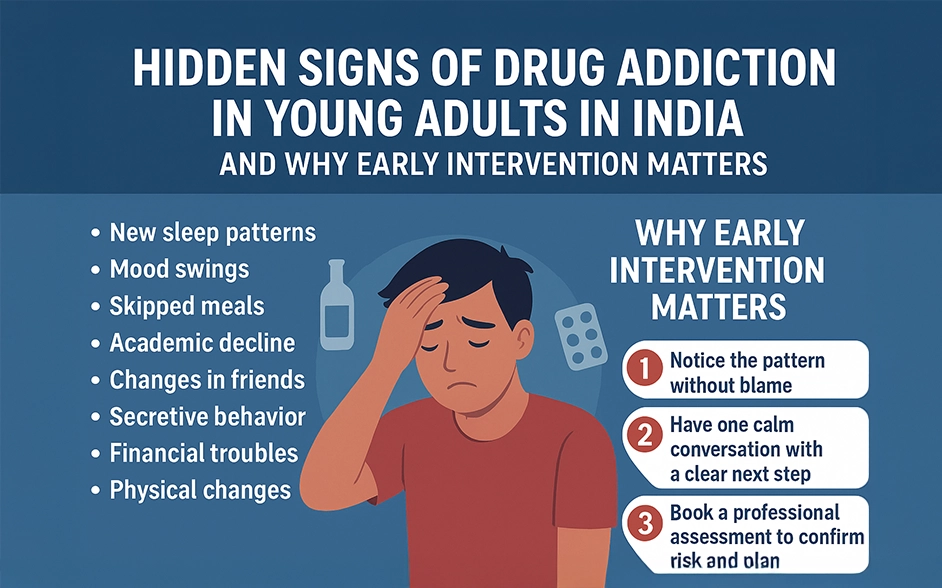
One of the earliest signs of drug addiction is a noticeable behavior change. A person may become secretive, start lying about their activities, withdraw from family members, lose interest in work or studies, and show sudden changes in friends or social circles. Declining performance at school or the workplace, unexplained financial problems, and unusual mood swings are strong indicators that substance abuse may be developing.
Physical Warning Signs
Physical symptoms are often visible in the early stages of substance abuse. These may include bloodshot eyes, sudden weight loss or gain, poor personal hygiene, tremors, frequent headaches, unusual sleep patterns, and unexplained fatigue. In some cases, there may be needle marks, frequent nosebleeds, or a noticeable smell of substances like alcohol or chemicals on breath and clothing.
Psychological and Emotional Symptoms
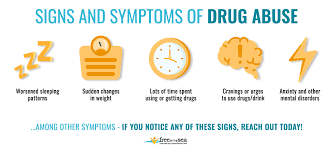
Drug addiction significantly affects mental health, and early psychological warning signs should never be ignored. Anxiety, depression, irritability, paranoia, sudden aggression, lack of motivation, and emotional instability are common early symptoms. A person may appear restless, overly energetic, or unusually withdrawn depending on the type of substance being used. Persistent cravings and an inability to cope with stress without using a substance are also critical warning signs.
Social and Relationship Problems
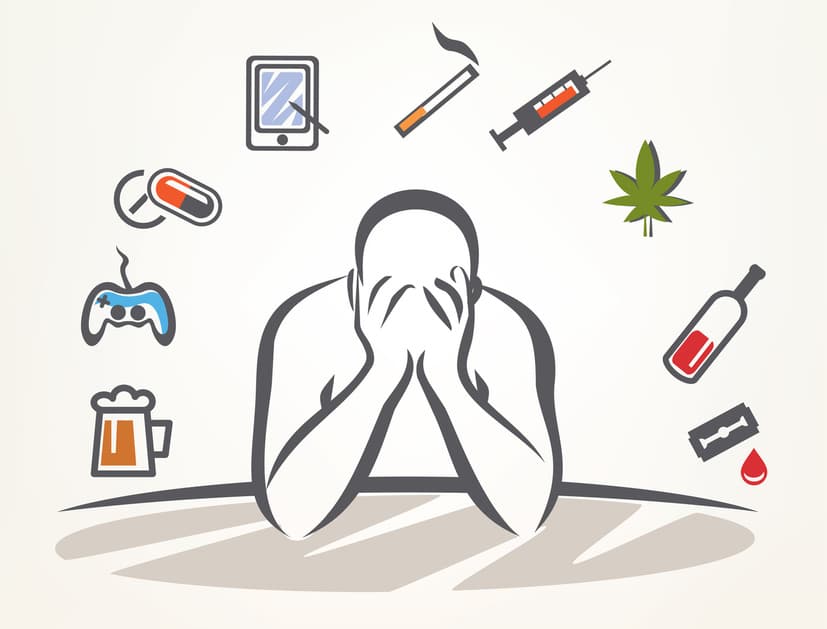
Another important early indicator of drug addiction is a decline in social relationships. Conflicts with family members increase, communication decreases, and the individual may isolate themselves from loved ones. Trust issues, dishonesty, and unpredictable behavior can damage relationships, and the person may prefer spending time alone or with new friends who encourage substance use.
When to Seek Professional Help
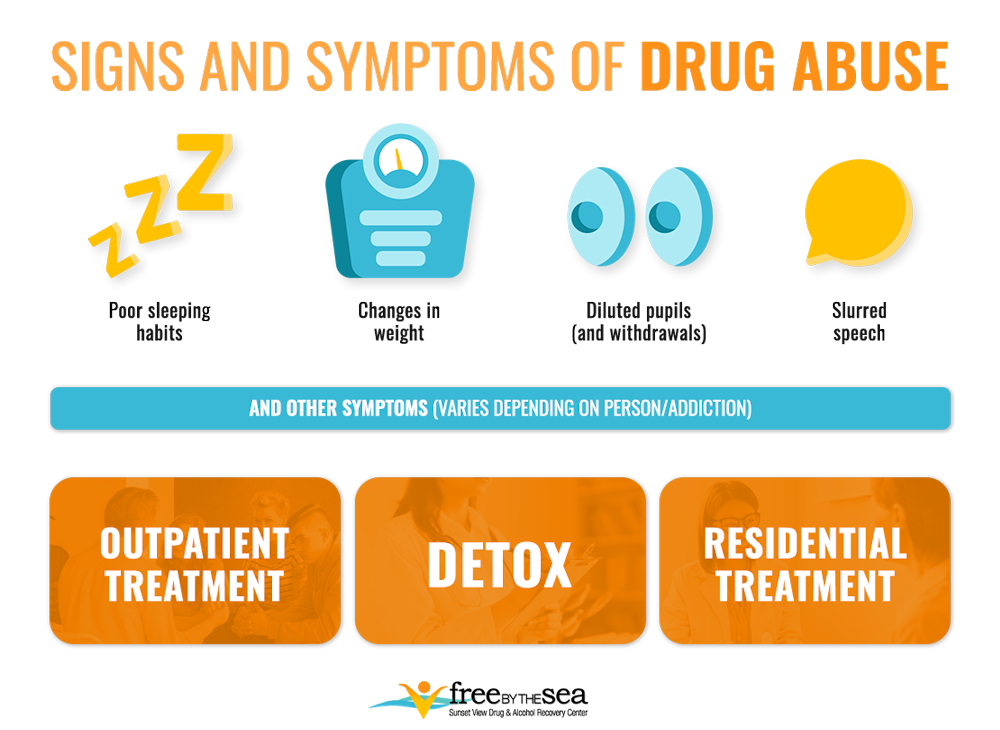
If multiple warning signs of drug addiction are present, seeking professional assessment and treatment is essential. Early intervention through counseling, medical evaluation, and rehabilitation programs greatly increases the chances of successful recovery. Ignoring the early signs can lead to severe addiction, health complications, and long-term psychological damage.
Conclusion
Understanding the early warning signs of drug addiction you should never ignore is the first step toward prevention and recovery. Behavioral changes, physical symptoms, emotional instability, and relationship problems are clear signals that something is wrong. Timely recognition and professional treatment can protect individuals and families from the devastating effects of substance abuse and help restore a healthy, drug-free life.
FAQs for the topic “Early Warning Signs of Drug Addiction You Should Never Ignore”:
1. What are the earliest warning signs of drug addiction?
The earliest warning signs of drug addiction include sudden behavioral changes, mood swings, secretive actions, declining performance at work or school, physical appearance changes, and increased isolation from family and friends.
2. How can I tell if someone is secretly using drugs?
You may notice unusual sleep patterns, financial difficulties, lying, avoiding eye contact, frequent absences, new suspicious acquaintances, or physical signs such as bloodshot eyes and weight fluctuations.
3. Are mood swings a sign of drug addiction?
Yes, frequent mood swings, irritability, anxiety, depression, or sudden aggression can be early psychological signs of substance abuse, especially when they appear without a clear reason.
4. What physical symptoms indicate possible drug abuse?
Common physical signs include changes in appetite, poor hygiene, tremors, unusual pupil size, frequent illness, unexplained injuries, and noticeable fatigue or hyperactivity.
5. Can teenagers show different early signs of drug addiction?
Yes, teenagers may show declining academic performance, disobedience, withdrawal from family, sudden change in friends, secrecy, and risky behavior as early signs of substance abuse.
6. When should families seek professional help for drug addiction?
Families should seek professional help when behavioral, physical, and emotional warning signs persist, especially if the person cannot stop using drugs despite negative consequences.
7. Do all drug users become addicted?
Not everyone who uses drugs becomes addicted, but repeated use significantly increases the risk of developing substance use disorder, especially when there are genetic or psychological risk factors.
8. How does drug addiction affect mental health in the early stages?
In the early stages, drug addiction can cause anxiety, depression, paranoia, lack of motivation, and emotional instability, which may worsen over time without treatment.
9. Can early intervention prevent severe addiction?
Yes, early identification and timely intervention through counseling, medical support, and rehabilitation programs greatly improve recovery outcomes and prevent long-term damage.
10. Is drug addiction treatable if detected early?
Yes, drug addiction is highly treatable when identified early. Professional detox, therapy, and structured rehabilitation programs can help individuals recover and maintain long-term sobriety.