Introduction to Drug Abuse in Pakistan
Drug use in Pakistan has quietly grown into a major public health and social crisis. It affects people from all walks of life—young and old, rich and poor, urban and rural. What often starts as curiosity, stress relief, or social pressure can slowly turn into a life-controlling addiction.
This article is written to spread awareness and provide reliable information, especially for those seeking help through rehabilitation centers. Understanding the problem is the first step toward recovery.
Understanding Drug Addiction
What Is Drug Addiction?
Drug addiction is a chronic disease that affects the brain and behavior. It creates an uncontrollable urge to use substances despite knowing the harmful consequences. Addiction is not a moral failure or a lack of willpower—it’s a medical condition that requires treatment and support.
How Addiction Affects the Brain and Behavior
Drugs interfere with the brain’s reward system. Over time, the brain becomes dependent on the substance to feel normal. This is why quitting without professional help is extremely difficult and often dangerous.
Commonly Used Drugs in Pakistan
Cannabis (Charas and Bhang)
Cannabis is one of the most commonly used drugs in Pakistan due to its low cost and easy availability.
Social Acceptance and Misuse
Many people mistakenly believe cannabis is harmless. This false perception leads to frequent misuse, especially among youth and laborers.
Heroin
Heroin addiction remains a severe issue in Pakistan.
Proximity to Afghanistan and Easy Access
Pakistan’s geographic location near Afghanistan makes heroin easily accessible, increasing addiction rates and illegal trafficking.
Ice (Methamphetamine)
Ice, also known as crystal meth, has rapidly spread across urban areas.
Rapid Rise Among Youth
This drug is highly addictive and causes extreme mental health problems, including aggression, paranoia, and hallucinations.
Opium
Opium is still used in some rural and tribal regions, often passed down through generations without understanding its dangers.
Prescription Drug Abuse
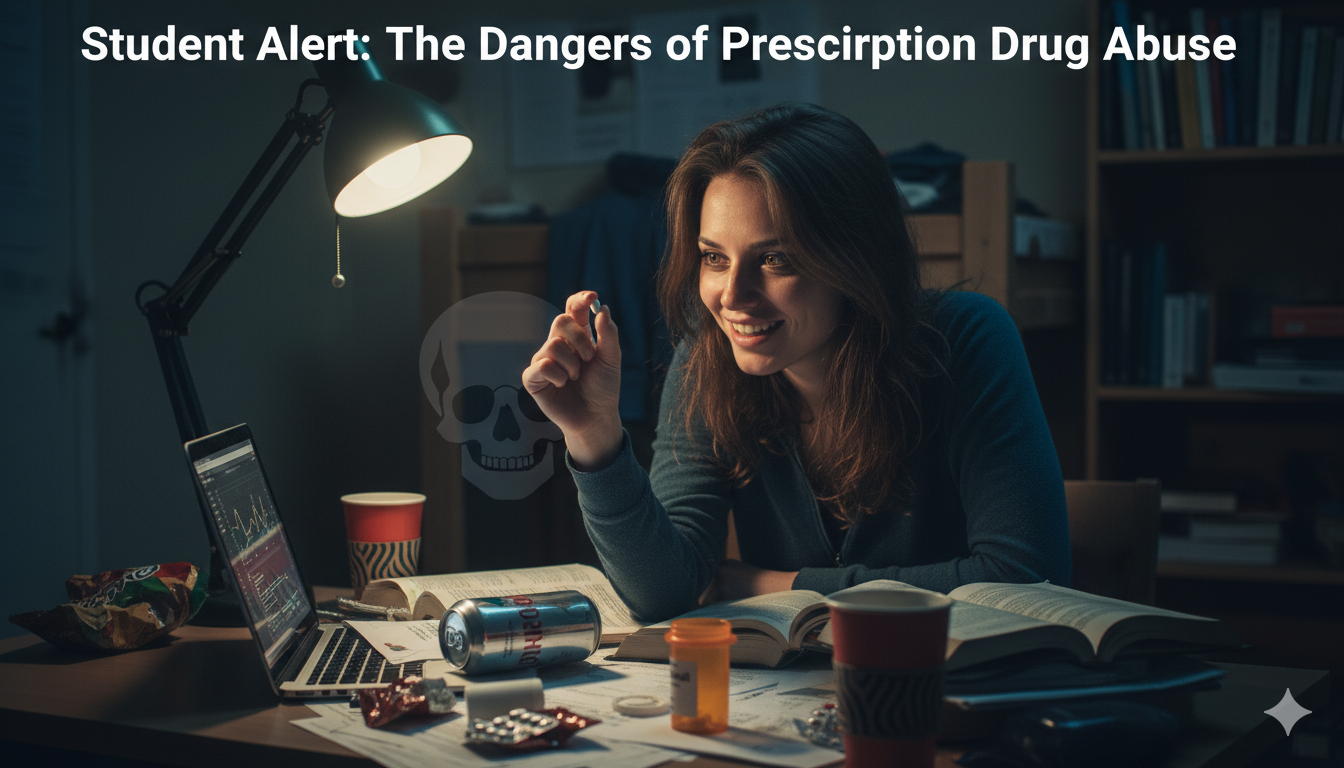
Painkillers, sedatives, and sleeping pills are often misused without medical supervision, leading to dependency.
Alcohol Use Despite Legal Restrictions
Although alcohol is illegal, its hidden consumption—especially homemade alcohol—poses serious health risks.
Who Is Most Affected by Drug Use in Pakistan
Youth and Students
Young people are particularly vulnerable due to peer pressure, academic stress, and curiosity.
Laborers and Daily Wage Workers
Many use drugs to cope with physical exhaustion and financial stress.
Urban vs Rural Drug Trends
Urban areas see higher use of synthetic drugs, while rural regions often struggle with traditional substances like opium and cannabis.
Causes of Drug Abuse in Pakistan
Poverty and Unemployment
Economic hardship pushes many toward drugs as an escape from reality.
Peer Pressure and Social Influence
Friends and social circles play a powerful role, especially among teenagers.
Mental Health Issues
Depression, anxiety, and trauma often go untreated, leading individuals to self-medicate with drugs.
Lack of Awareness and Education
Many people are unaware of how quickly addiction can take control.
Physical and Mental Health Effects of Drug Abuse
Short-Term Health Effects
- Nausea and dizziness
- Impaired judgment
- Aggressive behavior
Long-Term Physical Damage
- Liver and kidney failure
- Heart disease
- Weakened immune system
Mental Health Disorders Linked to Drug Use
Addiction is closely linked to depression, anxiety, psychosis, and suicidal thoughts.
Social and Economic Impact of Drug Addiction
Family Breakdown
Addiction destroys trust, relationships, and emotional stability within families.
Crime and Violence
Many drug users turn to crime to support their addiction.
Economic Burden on Society
Healthcare costs, lost productivity, and law enforcement strain the national economy.
Drug Abuse and Youth: A Silent Emergency
Drugs in Schools and Colleges
Drug exposure at a young age increases the risk of lifelong addiction.
Role of Social Media and Modern Stress
Online influence, unrealistic lifestyles, and constant pressure fuel substance abuse.
Legal Status of Drugs in Pakistan
Drug Laws and Penalties
Pakistan has strict anti-narcotics laws, including heavy fines and imprisonment.
Challenges in Enforcement
Despite laws, corruption and limited resources hinder effective control.
The Role of Rehabilitation Centers in Pakistan
What Is a Drug Rehabilitation Center?
A rehab center provides medical, psychological, and emotional support to help individuals recover safely.
Types of Treatment Programs Available
- Inpatient programs
- Outpatient programs
- Detox and long-term therapy
How Rehabilitation Helps Drug Addicts Recover
Detoxification Process
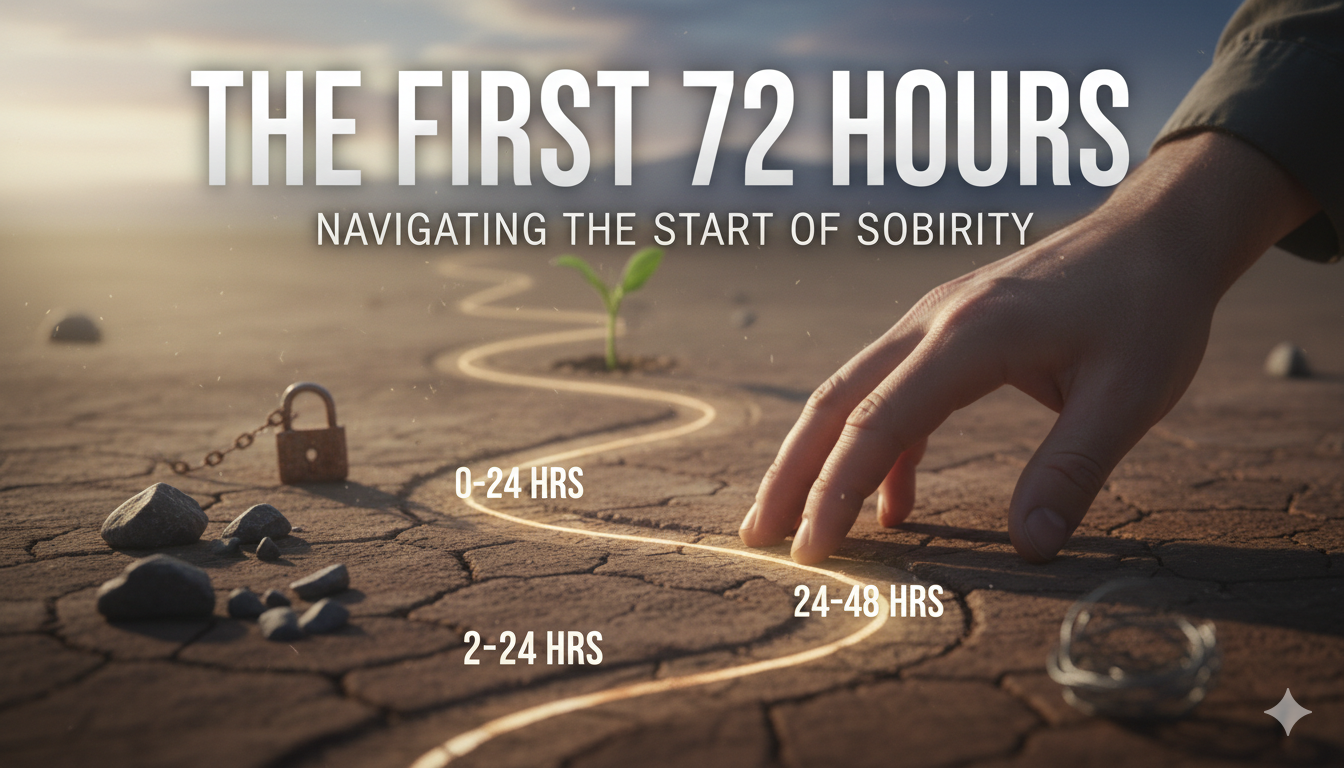
Detox removes drugs from the body under medical supervision.
Counseling and Therapy
Therapy addresses the root causes of addiction and builds coping skills.
Relapse Prevention and Aftercare
Ongoing support helps individuals stay drug-free after treatment.
Choosing the Right Rehab Center in Pakistan
Qualified Medical Staff
Experienced doctors and therapists are essential for safe recovery.
Personalized Treatment Plans
Each patient needs a plan tailored to their specific addiction.
Family Support and Follow-Up Care
Family involvement improves recovery success rates.
Prevention Strategies to Reduce Drug Abuse
Community Awareness Programs
Education campaigns can save lives.
Role of Families and Schools
Early guidance and emotional support make a huge difference.
Government and NGO Initiatives
Collaboration is key to nationwide prevention.
Breaking the Stigma Around Drug Addiction
Addiction as a Disease, Not a Crime
Treating addiction with compassion encourages recovery.
Encouraging Open Conversations
Silence only strengthens the problem.
Hope, Recovery, and a Drug-Free Future
Real Change Is Possible
With the right help, recovery is achievable.
The Importance of Timely Help
Early treatment prevents lifelong damage.
Conclusion
Drug use in Pakistan is a serious but solvable problem. Addiction does not define a person—it’s a challenge that can be overcome with proper care, understanding, and professional rehabilitation. Rehab centers play a vital role in healing individuals, restoring families, and building a healthier society. Seeking help is not a weakness; it’s the strongest step toward a better life.
Frequently Asked Questions (FAQs)
1. Is drug addiction treatable in Pakistan?
Yes, many rehabilitation centers offer effective treatment programs.
2. Which drug is most commonly abused in Pakistan?
Cannabis and heroin are among the most commonly used drugs.
3. How long does rehab treatment usually take?
Treatment duration varies from a few weeks to several months.
4. Can families be involved in the recovery process?
Yes, family support is highly encouraged in rehab programs.
5. Is relapse a failure?
No, relapse is part of recovery and can be managed with continued support.