Introduction
In today’s fast-paced world, many people struggle to feel genuine happiness and satisfaction. Instant gratification from social media, drugs, processed foods, and digital entertainment has changed the way the brain experiences pleasure. Over time, these habits can disrupt the brain’s natural reward system, leaving individuals feeling emotionally numb, unmotivated, or dependent on unhealthy sources of pleasure.
The key to restoring natural happiness lies in healing the reward system. The brain’s reward system, largely driven by the neurotransmitter dopamine, is responsible for motivation, pleasure, and learning from positive experiences. When this system is damaged or overstimulated, people may find it difficult to feel joy from everyday life.
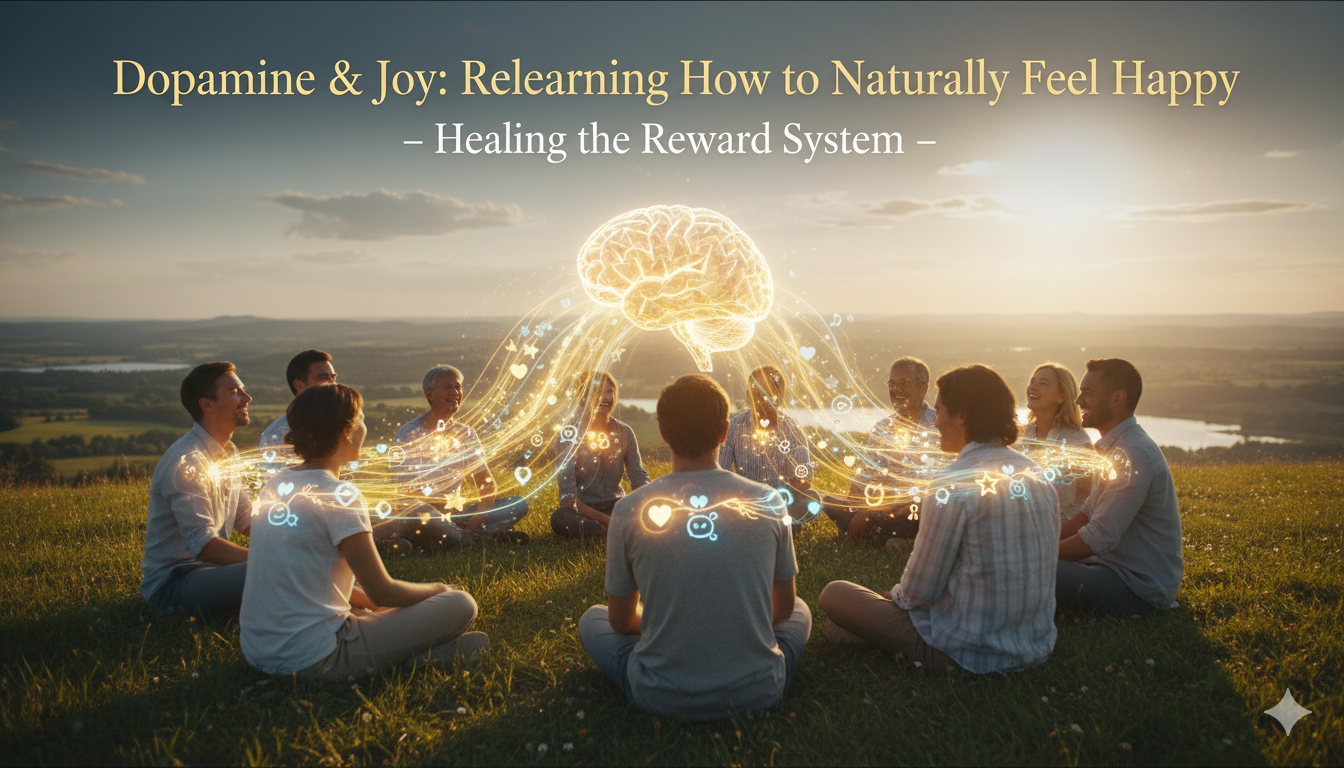
The good news is that the brain is highly adaptable. Through lifestyle changes, healthy habits, and psychological awareness, it is possible to retrain the brain and restore the natural dopamine balance. This article explores the science of dopamine, how addiction and modern lifestyles damage the reward system, and practical ways to heal it naturally.
Understanding Dopamine: The Brain’s Motivation and Reward Chemical
Dopamine is a neurotransmitter that plays a crucial role in how the brain experiences pleasure, motivation, and reward. It is often called the “feel-good chemical,” but its function is far more complex than simply creating happiness.
Dopamine helps the brain learn which behaviors are beneficial for survival and encourages repetition of those behaviors. Activities such as eating, socializing, exercising, achieving goals, and forming relationships all trigger dopamine release. This release creates a sense of satisfaction and motivation, reinforcing the behavior.
The dopamine system primarily involves brain regions such as the ventral tegmental area (VTA), nucleus accumbens, and prefrontal cortex, which work together to form the brain’s reward circuitry. When dopamine is released in these areas, it signals that something valuable has occurred and motivates a person to seek that experience again.
However, when this system is overstimulated through drugs, excessive digital stimulation, or other artificial rewards, the brain begins to adapt. Over time, natural pleasures may no longer produce the same level of satisfaction.
This process can lead to what scientists describe as dopamine imbalance or reward system dysfunction.
How the Reward System Gets Damaged
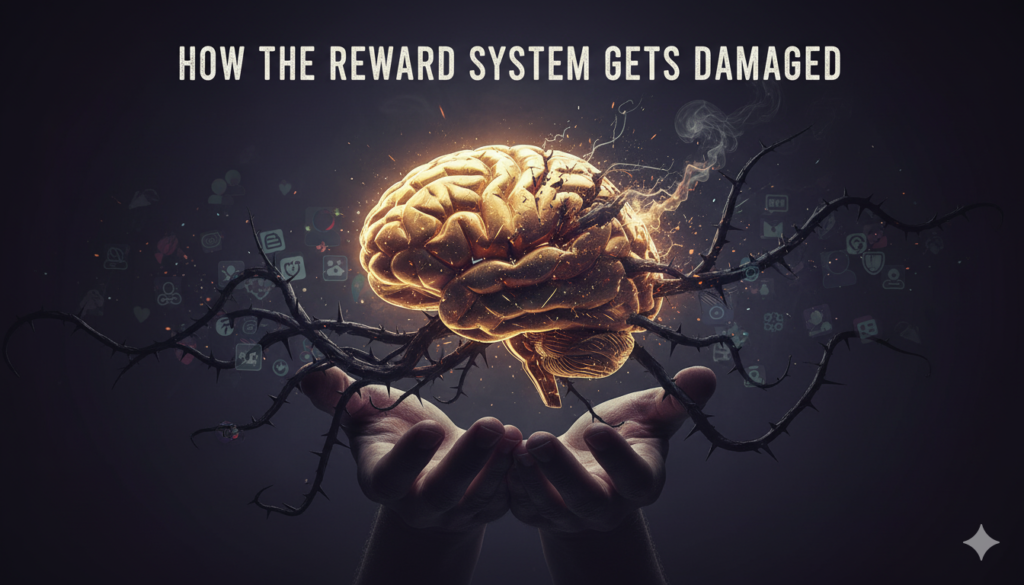
Modern lifestyles expose people to many stimuli that can overload the brain’s reward system. These include addictive substances, excessive screen time, gambling, highly processed foods, and constant digital stimulation.
Drug Addiction and Dopamine
Substances such as cocaine, methamphetamine, heroin, and alcohol dramatically increase dopamine levels in the brain. For example, research shows that drugs like cocaine can raise dopamine levels up to 10 times higher than natural rewards.
When the brain experiences these unnatural dopamine surges, it adapts by reducing the number of dopamine receptors or decreasing dopamine production. This process, known as downregulation, makes it harder for the brain to feel pleasure from normal activities.
As a result, individuals may feel depressed, unmotivated, or emotionally empty without the substance.
Behavioral Addictions
Addiction is not limited to drugs. Behavioral habits such as social media scrolling, online gaming, pornography, and gambling can also overstimulate dopamine pathways.
These behaviors create repeated cycles of anticipation and reward, which can gradually train the brain to depend on artificial stimulation rather than real-life experiences.
Chronic Stress
Long-term stress also affects dopamine signaling. Elevated stress hormones such as cortisol can interfere with dopamine production and reduce the brain’s sensitivity to rewards.
This can lead to burnout, emotional exhaustion, and difficulty experiencing joy.
Signs Your Reward System Needs Healing
When the brain’s reward system is dysregulated, people may experience several psychological and behavioral symptoms.
One of the most common signs is an inability to feel pleasure from activities that were once enjoyable. This condition, known as anhedonia, is often associated with addiction and depression.
Another sign is constant craving for stimulation. Individuals may feel restless or bored without social media, entertainment, or substances.
People with reward system dysfunction may also struggle with low motivation, difficulty focusing, emotional numbness, or a persistent sense of dissatisfaction.
In rehabilitation centers and addiction treatment programs, these symptoms are frequently observed during recovery because the brain requires time to restore healthy dopamine function.
Neuroplasticity: The Brain’s Ability to Heal
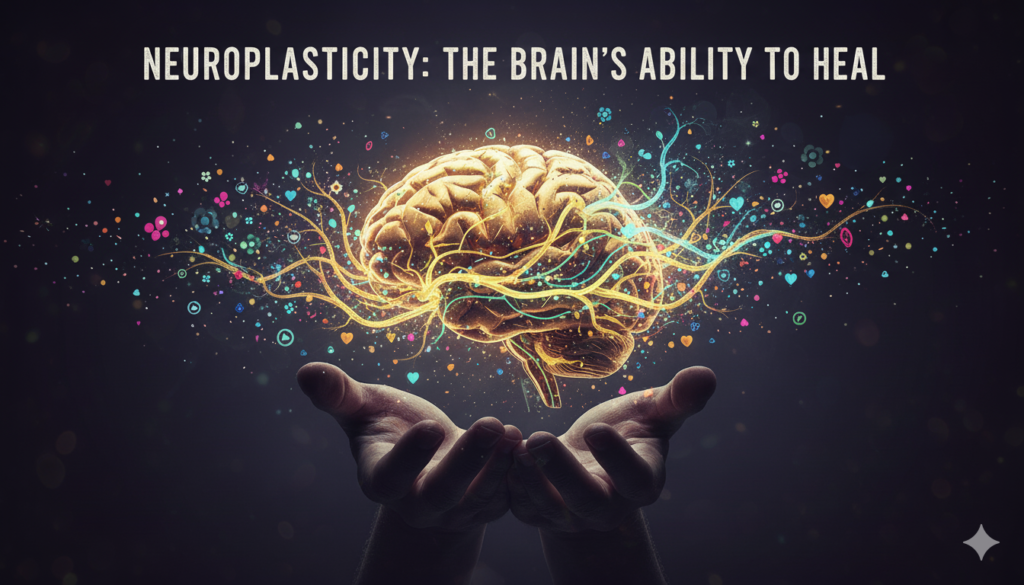
One of the most encouraging discoveries in neuroscience is neuroplasticity, the brain’s ability to reorganize and repair itself.
Research shows that the brain can rebuild dopamine receptors and restore reward sensitivity over time when harmful stimuli are reduced and healthy behaviors are introduced.
This process is particularly important in addiction recovery, where the goal is not only abstinence from substances but also healing the reward system so that natural sources of joy become meaningful again.
Recovery does not happen overnight. In many cases, it may take weeks or months for dopamine pathways to stabilize. However, consistent positive habits can significantly accelerate this process.
Natural Ways to Heal the Reward System
Healing the brain’s reward circuitry involves replacing artificial stimulation with activities that support natural dopamine balance.
Physical Exercise
Exercise is one of the most effective natural ways to increase dopamine and improve mood. Activities such as walking, running, swimming, or strength training stimulate dopamine release and enhance receptor sensitivity.
Research published in the Journal of Neuroscience shows that regular physical activity can improve dopamine signaling and protect brain health.
Exercise also increases other beneficial neurotransmitters such as serotonin and endorphins, creating a powerful combination for emotional well-being.
Healthy Nutrition
The brain requires proper nutrients to produce dopamine. Foods rich in tyrosine, an amino acid used to produce dopamine, can support healthy neurotransmitter levels.
Examples include eggs, fish, dairy products, bananas, almonds, and avocados.
Additionally, omega-3 fatty acids found in fish such as salmon and sardines help maintain brain cell health and improve neurotransmitter function.
Avoiding excessive sugar and processed foods is also important because these can cause rapid dopamine spikes followed by energy crashes.
Quality Sleep
Sleep plays a critical role in restoring dopamine receptors and maintaining healthy brain function.
Sleep deprivation reduces dopamine receptor availability, which can lead to irritability, reduced motivation, and emotional instability.
Experts recommend 7 to 9 hours of sleep per night to support optimal brain health and emotional regulation.
Establishing a consistent sleep routine, limiting screen exposure before bedtime, and creating a calm sleep environment can significantly improve sleep quality.
Mindfulness and Meditation
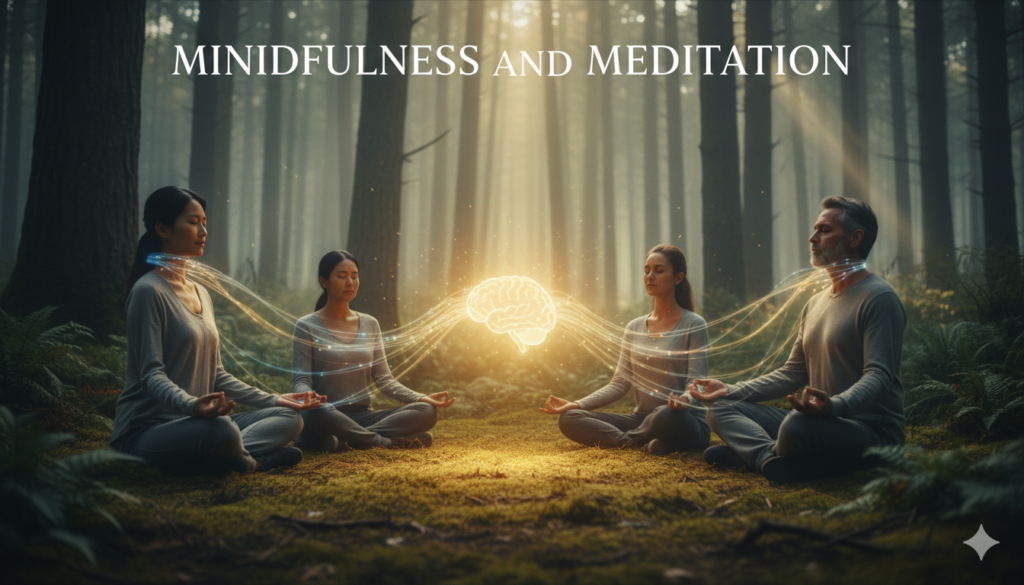
Mindfulness practices help regulate stress and improve emotional awareness, which can support dopamine balance.
Meditation has been shown to increase activity in the prefrontal cortex, a brain region involved in decision-making and self-control.
Studies suggest that regular meditation may increase dopamine release and enhance feelings of calmness and satisfaction.
Mindfulness also helps individuals recognize unhealthy reward-seeking behaviors and replace them with healthier habits.
Meaningful Social Connections
Human relationships play a vital role in emotional well-being and reward system regulation.
Positive social interactions stimulate dopamine and oxytocin, creating feelings of trust, bonding, and happiness.
Spending time with supportive friends, family members, or community groups can help restore emotional balance and reduce reliance on artificial rewards.
In addiction recovery settings, group therapy and peer support programs are particularly effective because they provide both accountability and emotional connection.
Setting and Achieving Goals
The brain releases dopamine not only when rewards are achieved but also during the process of pursuing meaningful goals.
Breaking large goals into smaller achievable steps can create frequent dopamine releases that reinforce motivation and progress.
For example, learning a new skill, completing a project, or improving physical fitness can provide a steady stream of natural rewards.
This approach gradually retrains the brain to associate effort and growth with pleasure.
Digital Detox
Excessive use of smartphones and digital media can overstimulate dopamine pathways and reduce attention span.
Taking regular breaks from screens allows the brain to reset its reward sensitivity.
Many experts recommend implementing digital detox periods, such as limiting social media use, avoiding screens before bed, or scheduling technology-free days.
During these periods, individuals often rediscover simple pleasures such as reading, nature walks, creative activities, or face-to-face conversations.
Healing the Reward System in Addiction Recovery
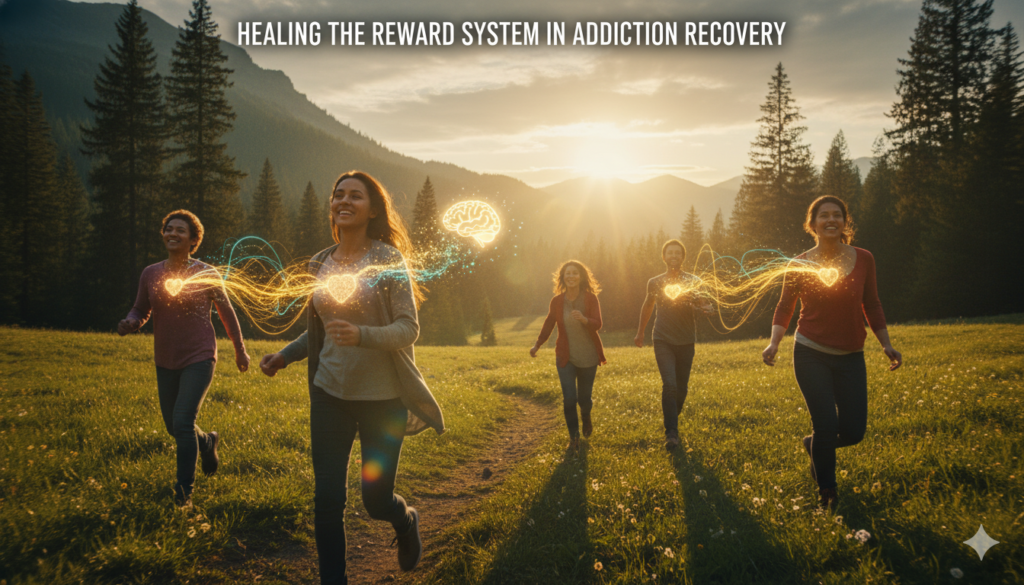
For individuals recovering from substance abuse, healing the reward system is a central part of rehabilitation.
In treatment centers, recovery programs typically combine several approaches including medical detoxification, psychological therapy, lifestyle interventions, and spiritual guidance.
Cognitive Behavioral Therapy (CBT) helps patients understand the triggers behind addictive behaviors and develop healthier coping strategies.
Psychological counseling addresses underlying emotional issues such as trauma, anxiety, or depression that may contribute to addiction.
Spiritual or faith-based counseling can also provide a sense of purpose and meaning, which is essential for long-term recovery.
Over time, these interventions help the brain rebuild natural reward pathways, allowing individuals to experience joy without relying on substances.
The Role of Purpose and Meaning in Happiness
True happiness is not only about pleasure but also about purpose, growth, and contribution.
Psychologists emphasize that meaningful activities, such as helping others, learning new skills, or pursuing personal values, create deeper and more lasting satisfaction than short-term pleasures.
Research in positive psychology shows that individuals who engage in purposeful activities experience greater life satisfaction and stronger emotional resilience.
In rehabilitation environments, patients are often encouraged to participate in community service, educational programs, or creative projects as part of their healing journey.
These experiences help rebuild self-esteem and provide healthy sources of dopamine and fulfillment.
The Timeline of Reward System Recovery
The recovery process varies from person to person depending on factors such as the duration of addiction, overall health, and lifestyle habits.
In the early stages of recovery, individuals may experience low motivation, mood swings, or fatigue because the brain is adjusting to lower dopamine levels.
However, with consistent healthy behaviors, dopamine receptors gradually become more sensitive, and natural rewards begin to feel enjoyable again.
Many people report noticeable improvements in mood and motivation within 30 to 90 days, although full neurological recovery may take longer.
Patience and persistence are essential during this period.
Building a Lifestyle That Supports Natural Happiness
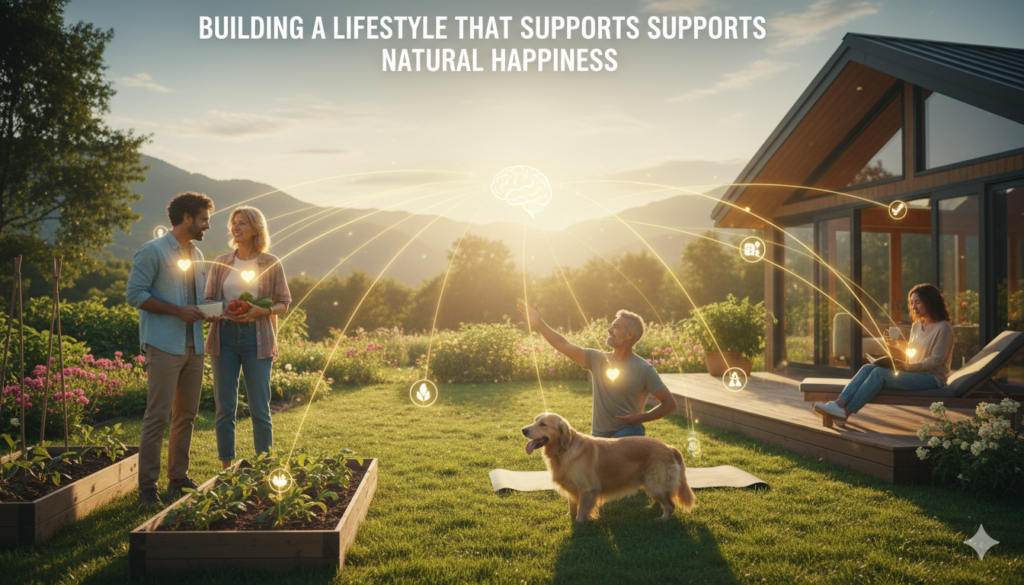
Healing the reward system is not a single event but a long-term lifestyle transformation.
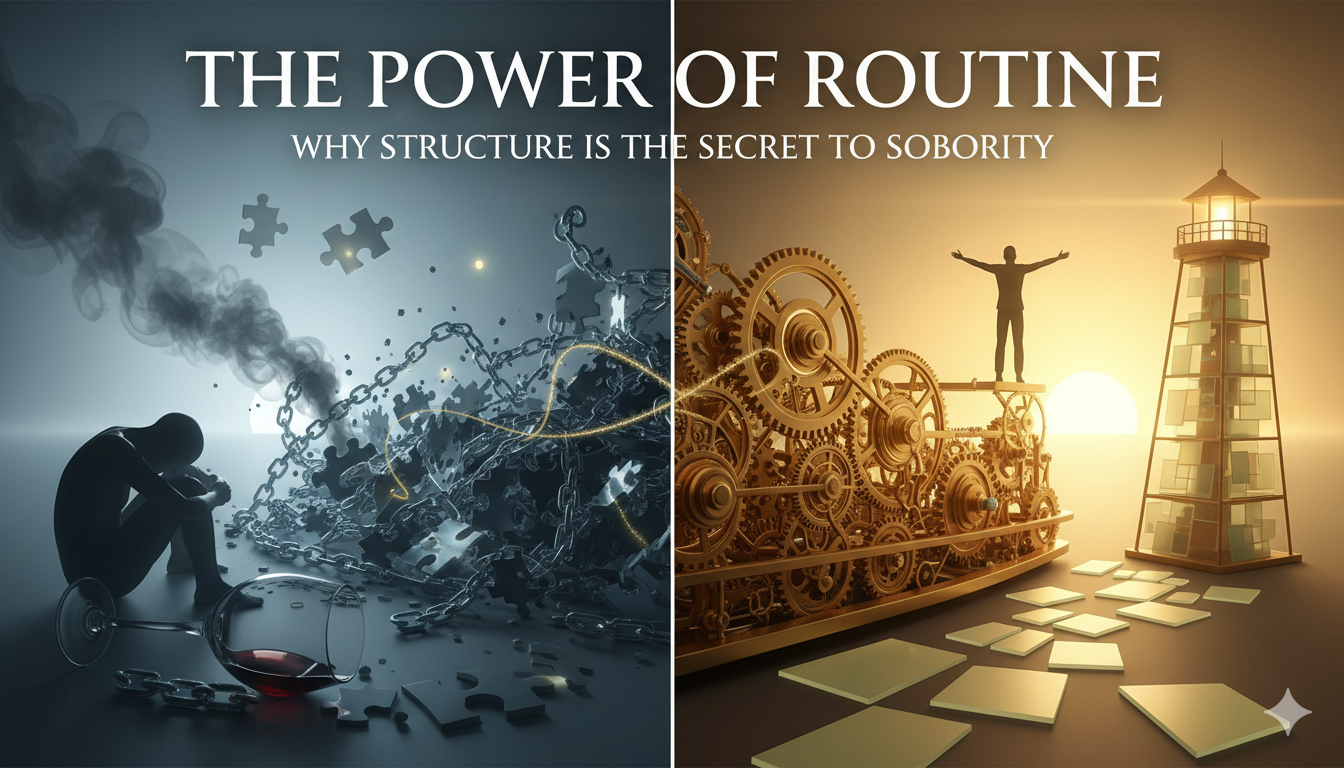
Creating daily routines that support physical, emotional, and mental health is the foundation of sustainable happiness.
This includes regular exercise, balanced nutrition, adequate sleep, meaningful relationships, and purposeful work.
Avoiding excessive stimulation from substances or digital distractions also plays a key role in maintaining healthy dopamine balance.
Over time, these habits help retrain the brain to find joy in authentic life experiences rather than artificial rewards.
Conclusion
The brain’s reward system is central to motivation, happiness, and overall well-being. When this system becomes damaged by addiction, chronic stress, or overstimulation, individuals may struggle to feel genuine pleasure or fulfillment.
Fortunately, the brain has a remarkable ability to heal through neuroplasticity. By adopting healthy lifestyle habits, reducing harmful stimuli, and engaging in meaningful activities, it is possible to restore dopamine balance and rebuild the natural capacity for joy.
Healing the reward system requires patience, consistency, and self-awareness. Whether someone is recovering from addiction or simply seeking a healthier relationship with pleasure and motivation, the journey toward natural happiness is both achievable and deeply rewarding.
True joy does not come from constant stimulation but from reconnecting with the simple, meaningful experiences that the brain was designed to appreciate.
References
- Volkow, N. D., & Morales, M. (2015). The Brain on Drugs: From Reward to Addiction. Cell, 162(4), 712–725.
- National Institute on Drug Abuse (NIDA). Drugs, Brains, and Behavior: The Science of Addiction. https://nida.nih.gov
- Berridge, K. C., & Robinson, T. E. (2016). Liking, Wanting, and the Incentive-Sensitization Theory of Addiction. American Psychologist.
- Harvard Health Publishing. Dopamine: The Pathway to Pleasure and Motivation. https://www.health.harvard.edu
- Schultz, W. (2016). Dopamine Reward Prediction Error Coding. Dialogues in Clinical Neuroscience.
- Ratey, J. J., & Loehr, J. E. (2011). The Positive Impact of Physical Activity on Cognition and Mood. Journal of Neuroscience.
- American Psychological Association. The Role of Stress in Brain Function and Mental Health.