Detoxification is often the first and most critical step in the journey toward recovery from substance use disorders. While many people imagine detox as simply “clearing drugs out of the body,” the reality is far more complex, and potentially dangerous without proper care. For individuals struggling with addiction, medically supervised detox can mean the difference between a safe transition into recovery and a life-threatening crisis.
In this comprehensive guide, we will explore the science of detoxification, the risks associated with unsupervised withdrawal, and most importantly, the medical detox benefits that make professional supervision essential for long-term recovery success.
Understanding Detoxification: What Really Happens in the Body
Detoxification, commonly referred to as detox, is the process by which the body eliminates toxic substances, particularly drugs and alcohol, from the system. When someone uses substances regularly, their body adapts to their presence. Over time, the brain and body begin to depend on these substances to function normally.
When substance use is suddenly reduced or stopped, the body reacts through withdrawal symptoms. These symptoms occur because the central nervous system struggles to regain balance without the substance.
The Role of the Brain in Addiction and Detox
Substances like opioids, alcohol, benzodiazepines, and stimulants alter the brain’s reward system by flooding it with dopamine. This creates a dependency where the brain relies on the substance to feel normal or “good.”
During detox, the brain must recalibrate. This process can lead to:
- Anxiety and depression
- Physical discomfort and pain
- Cognitive confusion
- Severe cravings
Without medical support, these symptoms can quickly escalate.
What Is Medical Detox?
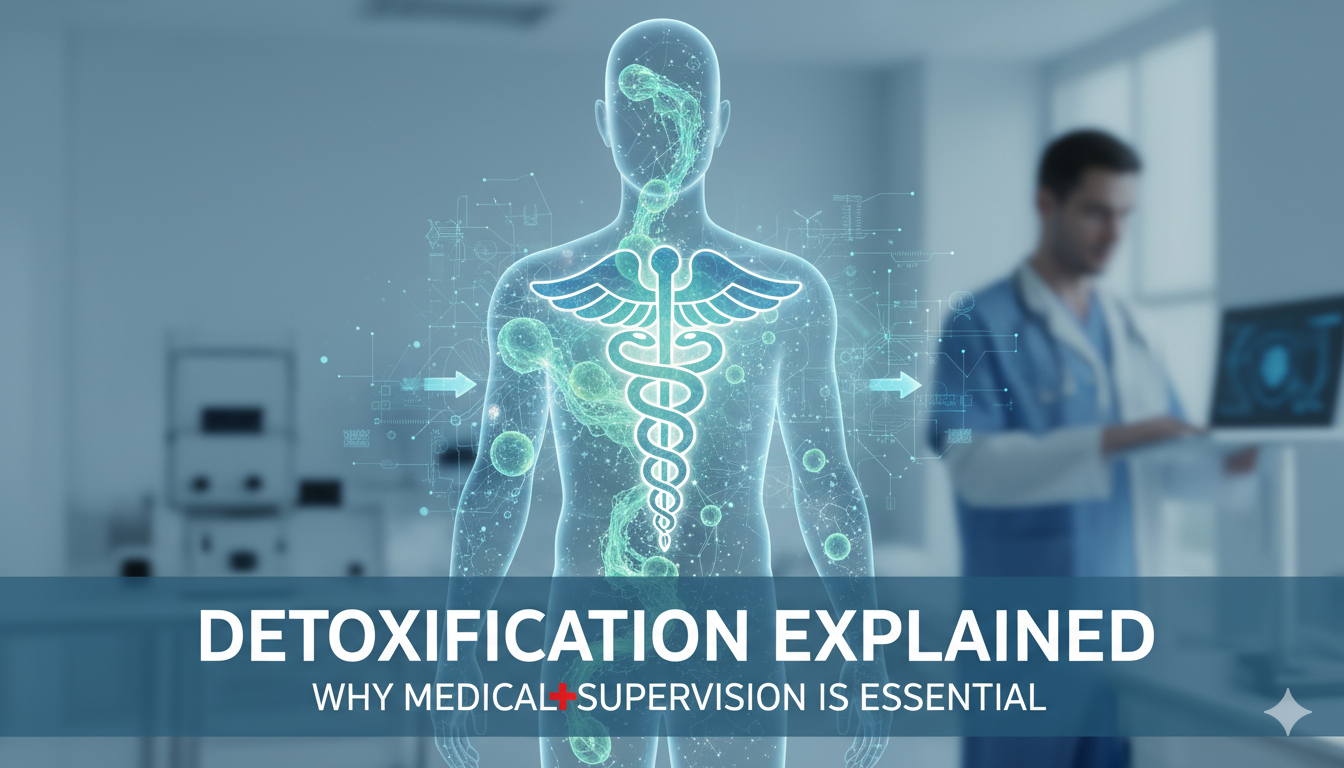
Medical detox is a structured and supervised process where healthcare professionals monitor and manage withdrawal symptoms in a safe environment. It typically takes place in a hospital, rehabilitation center, or specialized detox facility.
Unlike at-home detox attempts, medical detox ensures that patients receive:
- Continuous monitoring
- Medication-assisted treatment (MAT)
- Emotional and psychological support
- Immediate intervention in case of complications
This is where the true medical detox benefits become evident.
The Hidden Dangers of Unsupervised Detox
Many individuals underestimate the risks associated with detoxing without medical supervision. While some substances may cause mild withdrawal symptoms, others can trigger severe—and even fatal—complications.
Life-Threatening Withdrawal Symptoms
Certain substances, particularly alcohol and benzodiazepines, can lead to dangerous withdrawal conditions such as:
- Delirium Tremens (DTs): Characterized by confusion, hallucinations, and seizures
- Seizures: A common risk in alcohol and sedative withdrawal
- Cardiovascular complications: Irregular heartbeat and high blood pressure
- Severe dehydration and electrolyte imbalance
According to the National Institute on Alcohol Abuse and Alcoholism (NIAAA), untreated severe alcohol withdrawal can result in death in up to 37% of cases.
Risk of Relapse
Without proper support, the discomfort of withdrawal often leads individuals back to substance use. This increases the risk of overdose, especially because tolerance levels drop rapidly during detox.
Medical Detox Benefits: Why Supervision Is Essential
Choosing a medically supervised detox program offers numerous advantages that go beyond just physical safety. Let’s explore the most critical medical detox benefits in detail.
1. Safe Management of Withdrawal Symptoms
One of the most important benefits of medical detox is the ability to manage withdrawal symptoms safely. Healthcare providers can assess the severity of symptoms and intervene accordingly.
Medications may be used to:
- Reduce anxiety and agitation
- Prevent seizures
- Stabilize heart rate and blood pressure
- Ease pain and discomfort
This significantly reduces the risk of complications.
2. 24/7 Medical Monitoring
Detox symptoms can change rapidly, sometimes within hours. Continuous monitoring ensures that any sudden changes are addressed immediately.
Vital signs such as:
- Heart rate
- Blood pressure
- Oxygen levels
- Temperature
are closely observed, allowing for timely medical intervention.
3. Medication-Assisted Treatment (MAT)
MAT is a cornerstone of modern detox programs. It involves the use of FDA-approved medications to reduce cravings and withdrawal symptoms.
Examples include:
- Methadone or Buprenorphine for opioid withdrawal
- Benzodiazepines for alcohol withdrawal
- Naltrexone to prevent relapse
MAT improves comfort and increases the likelihood of completing detox successfully.
4. Emotional and Psychological Support
Detox is not just a physical process—it’s also an emotional one. Patients often experience intense mood swings, anxiety, and depression.
Medical detox programs provide:
- Access to mental health professionals
- Counseling sessions
- Supportive care from trained staff
This emotional support is a crucial part of the medical detox benefits, helping individuals stay motivated and stable.
5. Reduced Risk of Relapse
Supervised detox minimizes exposure to triggers and provides a controlled environment where patients can focus solely on recovery.
With reduced cravings and professional guidance, individuals are far less likely to relapse during this vulnerable phase.
6. Customized Treatment Plans
Every individual’s addiction and health profile is unique. Medical detox programs tailor treatment plans based on:
- Type of substance used
- Duration of use
- Medical history
- Mental health conditions
This personalized approach ensures more effective and safer detoxification.
7. Seamless Transition to Rehabilitation
Detox is only the first step in recovery. Medical detox programs often serve as a gateway to comprehensive rehabilitation services.
Patients can transition smoothly into:
- Inpatient rehabilitation
- Outpatient therapy
- Behavioral counseling
- Support groups
This continuity of care significantly improves long-term outcomes.
Types of Detox Programs
Understanding the different detox options can help individuals choose the right level of care.
Inpatient Medical Detox
This is the most intensive level of care, where patients stay at a facility and receive round-the-clock supervision. It is ideal for severe addictions or high-risk withdrawal cases.
Outpatient Detox
Outpatient detox allows patients to live at home while attending scheduled medical visits. It is suitable for mild to moderate withdrawal symptoms but still requires professional oversight.
Rapid Detox (Not Widely Recommended)
Rapid detox involves accelerating withdrawal using anesthesia. While it may sound appealing, it carries significant risks and is not widely recommended by medical professionals.
The Science Behind Withdrawal Symptoms
Withdrawal symptoms occur because the body has adapted to the presence of a substance. When that substance is removed, the body struggles to maintain equilibrium.
Neurochemical Imbalance
Substances disrupt neurotransmitters such as:
- Dopamine
- GABA
- Serotonin
During detox, these chemicals fluctuate, leading to symptoms like anxiety, depression, and irritability.
Physical Dependence vs. Psychological Dependence
- Physical dependence results in withdrawal symptoms
- Psychological dependence leads to cravings and emotional distress
Medical detox addresses both aspects, making recovery more sustainable.
Common Withdrawal Timelines
Withdrawal timelines vary depending on the substance:
Alcohol
- Symptoms begin: 6–12 hours
- Peak: 24–72 hours
- Severe cases (DTs): 48–96 hours
Opioids
- Symptoms begin: 8–24 hours
- Peak: 48–72 hours
- Duration: Up to 10 days
Benzodiazepines
- Symptoms begin: 1–4 days
- Peak: 1–2 weeks
- Duration: Several weeks to months
Medical supervision ensures that each phase is managed safely.
Who Needs Medical Detox?
Medical detox is highly recommended for individuals who:
- Have a long history of substance use
- Use multiple substances
- Have experienced withdrawal symptoms before
- Have underlying medical or mental health conditions
- Are dependent on alcohol, opioids, or benzodiazepines
In these cases, attempting detox without supervision can be extremely dangerous.
Addressing Common Myths About Detox
Myth 1: Detox Is Just About Willpower
Reality: Detox involves complex physiological processes that require medical care.
Myth 2: Home Detox Is Safer and Cheaper
Reality: The risks of complications and relapse often outweigh any cost savings.
Myth 3: Detox Alone Is Enough
Reality: Detox is only the first step; ongoing treatment is essential for recovery.
The Role of Family Support During Detox
Family involvement can significantly enhance recovery outcomes. Loved ones can:
- Encourage treatment participation
- Provide emotional support
- Help maintain accountability
However, it’s important that detox itself remains medically supervised to ensure safety.
Long-Term Benefits of Medical Detox
The advantages of medical detox extend far beyond the initial withdrawal phase. These include:
- Improved physical health
- Stabilized mental health
- Increased treatment retention
- Lower risk of relapse
- Better overall quality of life
These long-term outcomes highlight the importance of understanding the full scope of medical detox benefits.
Choosing the Right Detox Facility
When selecting a detox center, consider the following:
- Accreditation and licensing
- Availability of medical staff
- Range of treatment options
- Integration with rehabilitation programs
- Patient reviews and success rates
A reputable facility ensures both safety and effectiveness.
Conclusion: A Safer Path to Recovery

Detoxification is a crucial step in overcoming addiction, but it is not without risks. Attempting to detox without medical supervision can lead to severe complications, relapse, or even death. On the other hand, medically supervised detox provides a safe, structured, and supportive environment where individuals can begin their recovery journey with confidence.
The medical detox benefits, from symptom management and emotional support to relapse prevention and long-term recovery success, make it an essential component of effective addiction treatment.
For anyone considering recovery, the message is clear: detox should never be faced alone. With professional care, the path to healing becomes not only safer but also far more achievable.
References
- National Institute on Drug Abuse (NIDA). (2020). Principles of Drug Addiction Treatment: A Research-Based Guide.
https://nida.nih.gov - National Institute on Alcohol Abuse and Alcoholism (NIAAA). (2021). Alcohol Withdrawal Syndrome.
https://www.niaaa.nih.gov - Substance Abuse and Mental Health Services Administration (SAMHSA). (2020). TIP 45: Detoxification and Substance Abuse Treatment.
https://www.samhsa.gov - Mayo Clinic. (2022). Drug Addiction (Substance Use Disorder).
https://www.mayoclinic.org - World Health Organization (WHO). (2019). Management of Substance Abuse.
https://www.who.int - Kosten, T. R., & O’Connor, P. G. (2003). Management of Drug and Alcohol Withdrawal. New England Journal of Medicine.