Meta Description: Discover the life-changing power of a drug-free life. In this deep dive, I share my personal experience with peer pressure, the science of addiction, and practical strategies to say no to drugs and yes to your future.
Introduction: The moment the music stops
We have all heard the slogan. It’s plastered on school hallways, preached in PSA commercials, and printed on t-shirts. “Say No to Drugs.” It sounds simple, almost childishly easy. But if you have ever stood in a dimly lit room, bass thumping in your chest, with a friend handing you something that promises to make the anxiety disappear, you know that “saying no” is rarely simple.
I’m writing this not as a medical professional or a detached observer, but as someone who has walked the line. I’ve lived through the temptation, the curiosity, and the heartbreaking reality of watching brilliant lights fade into the shadow of substance abuse.
In a world that increasingly glamorizes “hustle culture” stimulants or “chill out” sedatives, staying sober is an act of rebellion. This article is a deep dive into why saying no is the most powerful choice you can make. We will explore the psychology of addiction, the devastating physical toll, and—most importantly—my personal journey in navigating these waters to find a life that is vibrant, authentic, and free.
My Personal Brush with the Shadow
I remember the first time the choice felt heavy. I was 19, a sophomore in college, surrounded by people who seemed to have it all figured out. They were cool, they were artistic, and they were high.
There was a specific night that stays etched in my memory. We were at a house party, the kind that feels infinite. My best friend—let’s call him Mark—pulled me aside. Mark was the smartest guy I knew; he could quote philosophy and fix cars with equal ease. But that night, his eyes were different. They were glossy, vacant. He held out a small bag.
“It just takes the edge off, man,” he said. “You stop worrying about everything. You just… exist.”
I felt the pull. I was stressed about exams, lonely, and desperate to fit into this new, edgy crowd. The promise of “just existing” without pain was seductive. It wasn’t a villain in a trench coat offering me drugs; it was my best friend offering me relief.
I said no. Not because I was righteous, but because I was scared.
Fast forward three years. I graduated and started my career. Mark dropped out. The “edge” he was trying to take off had become a cliff he fell over. Witnessing his slow decline—from a recreational user to someone who stole from his parents to fund a habit—was the most sobering experience of my life.
That experience taught me that drugs don’t just take your money or your health; they take you. They replace your personality, your dreams, and your potential with a singular, insatiable need. That realization is the core of why I advocate so fiercely for a drug-free life today.
Understanding the “Why”: The Psychology of the “Yes”
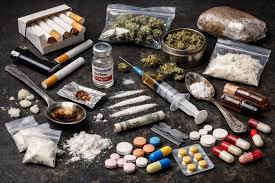
To understand how to say no, we have to understand why so many people say yes. In my experience, and in looking at the data, it rarely starts with a desire to destroy one’s life.
1. The Trap of Escapism
Life is hard. Heartbreak, academic pressure, and financial stress—these are heavy burdens. Drugs offer a shortcut to emotional neutrality. For a few hours, you don’t have to feel the weight of the world. But as I learned watching friends struggle, that debt doesn’t disappear; it accumulates with interest. When the high wears off, the problems are still there, often compounded by a chemical crash.
2. The Chameleon Effect (Peer Pressure)
As humans, we are tribal creatures. We are biologically wired to want to fit in. When the “tribe” is using, our brain interprets “saying no” as risking exile. It takes immense mental fortitude to value your long-term well-being over short-term social validation.
3. Curiosity and the “Invincibility Complex.”
“I’ll just try it once.” “I’m not the kind of person who gets addicted.”
These are the famous last words of addiction. We often believe we are the exception to the rule. We think we can outsmart the chemistry. But dopamine receptors don’t care how smart or strong-willed you are.
The Biological Hijack: What Actually Happens?
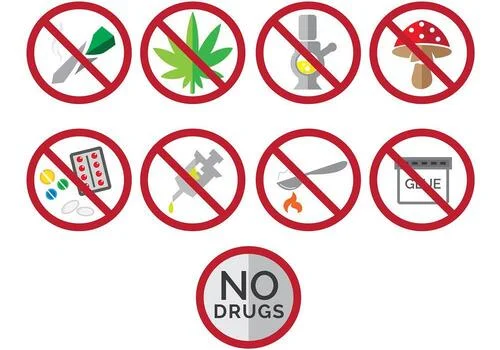
I used to think addiction was a lack of willpower. I was wrong. It is a biological hijack.
When you take drugs—whether it’s opioids, stimulants, or depressants—you are flooding your brain with dopamine. This is the “feel-good” chemical usually reserved for survival activities like eating or bonding.
Imagine your brain has a volume knob for pleasure. A good meal might turn it into 5. A great achievement might turn it into 10. Drugs crank that knob to 100.
The problem? The brain panics. To protect itself from this overload, it burns out its own receptors. It turns the volume down. Suddenly, the things that used to make you happy—a sunset, a joke, a hug—don’t register anymore. You become chemically incapable of feeling joy without the substance.
This is the “zombie” state I saw in Mark. It wasn’t that he didn’t want to be happy; it was that his brain had lost the machinery to process happiness naturally.
The Reality Check: The Physical and Mental Toll
When we talk about “Saying No to Drugs,” we often focus on the legal trouble. But the biological price is far higher.
The Physical Breakdown
Different drugs attack different systems, but the degradation is universal.
- The Heart: Stimulants like cocaine and methamphetamines turn your cardiovascular system into a ticking time bomb, increasing the risk of heart attacks even in your 20s.
- The Appearance: We’ve all seen the “before and after” photos. The skin loses its luster, teeth decay (meth mouth), and rapid weight loss gives a gaunt, skeletal look.
- The Immune System: Substance abuse leaves you open to infections, causing a body that should be in its prime to function like it’s geriatric.
The Mental Fog
This is what scared me the most. I value my mind—my ability to write, think, and connect. Long-term drug use creates a persistent fog. Memory slips. Cognitive sharpness dulls.
Anxiety and paranoia often replace the initial euphoria. I watched friends who were once the life of the party become recluses, convinced everyone was out to get them. It is a lonely, terrifying way to live.
The Ripple Effect: It’s Not Just About You
One of the most selfish lies addiction tells is, “I’m only hurting myself.”
If there is one thing I want you to take away from this article, it is this: Your choices have a blast radius.
The Family Dynamic
Addiction introduces chaos into a home. It breeds distrust. Parents lie awake at night wondering if they will get “the call.” Siblings feel neglected or resentful. I saw Mark’s mother age ten years in the span of two; the worry carved lines into her face that no cream could fix.
The Career Suicide
In the professional world, reliability is currency. Drugs steal that. Missed deadlines, erratic behavior, and brain fog eventually lead to job loss. But beyond the paycheck, it is the loss of potential—the books unwritten, the businesses unbuilt, the students untaught.
The Societal Cost
On a macro level, drug abuse strains our healthcare systems and fuels criminal enterprises. By saying no, you are essentially defunding the cartels and gangs that thrive on human misery. You are voting for a safer society with your lifestyle.
The Art of Saying No: Practical Strategies
Okay, let’s get practical. It’s Friday night, the vibe is high, and someone offers you something. “Just say no” is too vague. How do you actually do it without feeling awkward?
Here are the strategies I have used personally:
1. The “Designated Driver” Card
This is the ultimate shield. “I’m driving tonight, can’t risk it.” It’s responsible, unarguable, and ends the conversation immediately. Even if you aren’t driving a car, you can be driving your own life.
2. The “Health Nut” Angle
I often use my fitness goals as a shield. “Nah, I’m training for a 5K/hitting the gym early tomorrow/on a strict detox.” People generally respect discipline. It frames your refusal not as being “lame,” but as being “dedicated.”
3. The Broken Record
If they push, don’t engage in a debate. Just repeat.
“No thanks.”
“Come on, just one.”
“No thanks, I’m good.”
“Don’t be boring.”
“I’m good, really.”
Eventually, they will move on to an easier target.
4. The Cup Decoy
Always have a drink in your hand—water, soda, mocktail. If your hands are full, people are less likely to offer you something. It signals, “I’m already participating,” without the substance.
5. The Exit Strategy
If the pressure gets too intense, leave. Go to the bathroom, step outside for fresh air, or just go home. Your vibe is more important than their party.
Finding Your “Natural High”
The best way to say no to drugs is to say yes to something better.
We all crave dopamine. The key is to source it from sustainable places. In my journey, I found that replacing the desire for artificial highs with actual highs was the game-changer.
- Runner’s High: It’s a cliché because it’s true. Pushing your body releases endorphins that feel incredible and leave you clear-headed, not foggy.
- Creative Flow: Getting lost in writing, painting, coding, or playing music creates a state of “flow” that is deeply satisfying.
- Connection: Deep, sober conversations with friends where you actually remember what was said the next day are infinitely more valuable than high ramblings.
- Adrenaline: Go hiking, rock climbing, or learn a martial art. There are plenty of ways to feel alive that don’t involve a pill.
When your life is full of genuine excitement, drugs look less like an escape and more like a hindrance. You start to protect your energy because you need it for the things you love.
Helping Others: When “No” Isn’t Enough for Them
Maybe you are reading this, and you are already the sober one, but you’re worried about a friend.
My experience with Mark taught me a hard lesson: You cannot save someone who doesn’t want to be saved, but you can be a lighthouse.
- Don’t Enable: Don’t lend them money. Don’t lie to cover up their mistakes.
- Speak with Love, Not Judgment: Instead of “You’re a junkie,” try “I miss the old you, and I’m scared for your health.”
- Set Boundaries: It is okay to say, “I can’t hang out with you when you are using.” This protects your peace and shows them the consequence of their actions.
- Offer Resources: Have numbers for hotlines or local support groups ready for the moment they say, “I need help.”
Conclusion: The Ultimate Freedom
Looking back at that night in college, I realize that saying no wasn’t about being a “good kid.” It was about freedom.
Because I said no, I kept my mind sharp. I built a career I love. I have relationships built on trust, not shared intoxication. I have money in my bank account and memories I can actually recall.
Drugs promise freedom—freedom from pain, from boredom, from inhibitions. But it is a lie. They are the ultimate cage. They dictate your schedule, drain your resources, and narrow your world until it fits inside a bottle or a needle.
Saying no to drugs is saying yes to limitless potential. It is owning your wins and your losses. It is feeling the full spectrum of human emotion, the jagged edges and the soft peaks, and knowing that you are strong enough to handle it all.
If you are standing on that precipice right now, wondering if one time will hurt, please trust me: The view is much better from the side of sobriety.
Stay strong. Stay clear. Stay you.
Frequently Asked Questions (FAQs)
Q: Is it really harmful to try drugs just once?
A: Yes. While not everyone becomes addicted immediately, “just once” breaks the psychological barrier. Furthermore, with the rise of synthetic opioids like Fentanyl, even a single experimental dose can be fatal.
Q: How do I deal with friends who smoke or use drugs?
A: You can maintain the friendship if they respect your boundaries, but often, you may outgrow those circles. True friends will respect your decision to be sober. If they pressure you, they are prioritizing their habit over your well-being.
Q: What are the signs of drug addiction?
A: Look for drastic changes in behavior, sudden financial problems, secrecy, changes in physical appearance (weight loss, poor hygiene), and a loss of interest in hobbies that used to matter.
Q: Are marijuana and alcohol considered “drugs” in this context?
A: While legal in many places, they are psychoactive substances that alter brain chemistry. They can be habit-forming and act as gateways to harder substances or lead to dependency that hinders life progress.
Q: Where can I get help for addiction?
A: If you or someone you know is struggling, contact the National Helpline (in the US, SAMHSA at 1-800-662-4357) or look for local Narcotics Anonymous (NA) meetings. You are not alone.